Winter in Northern Kentucky isn’t just tough on roads and roofs—it can take a serious toll on your plumbing, too. Every year, homeowners face burst pipes, frozen hose bibs, and flooded basements—not because of freak accidents, but because of small oversights that could have been prevented.
At True Flow Services, we see these issues every winter. Here are five of the most common cold-weather plumbing mistakes we see across Greater Cincinnati—and how you can avoid them.
Table of Contents
1. Leaving the Garage Door Open
It might seem harmless to leave the garage door up for a bit while working or coming and going, but if your garage has plumbing lines (especially above or along the wall shared with the house), freezing air can drop temperatures fast.
Why it matters:
Plumbing near or above the garage is often less insulated than the rest of your home. Exposure to freezing air can quickly freeze pipes—even with the heat on inside.
Tip:
Keep garage doors closed in freezing weather, and insulate any exposed pipes running through garage walls or ceilings.
2. Not Insulating Exposed Pipes
Uninsulated pipes in basements, crawl spaces, or along exterior walls are high-risk zones in winter. All it takes is one bitter night to cause a pipe to freeze and burst.
Why it matters:
Frozen pipes can lead to cracks, leaks, and thousands of dollars in water damage—not to mention downtime without water.
Tip:
Wrap vulnerable pipes with foam insulation sleeves or heat tape, especially in unheated areas. It’s a small investment that can prevent major repairs.
3. Running Faucets the Wrong Way
You’ve probably heard that letting faucets drip in cold weather helps prevent freezing. That’s true—but many people do it incorrectly.
Why it matters:
Only certain fixtures need to drip, and only under specific conditions. Running both hot and cold taps wastes water and energy.
Tip:
On freezing nights, let the cold water drip slowly from faucets on exterior walls or those farthest from your main line. This keeps water moving and relieves pressure in the pipes.
4. Forgetting to Disconnect Garden Hoses
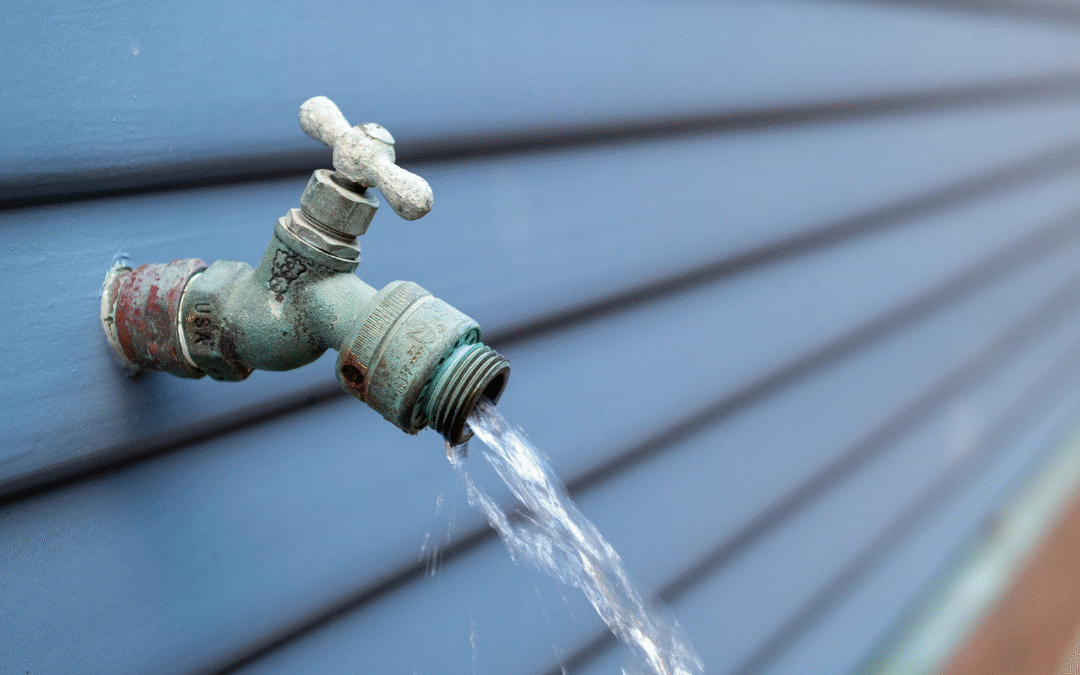
One of the easiest—and most overlooked—cold weather plumbing mistakes is leaving hoses attached to outdoor faucets.
Why it matters:
Water trapped inside the hose or spigot can freeze, expand, and cause the pipe behind the wall to burst, even if the faucet is off.
Tip:
Always disconnect garden hoses before the first freeze, drain them, and store them indoors. Consider installing frost-proof hose bibs for added protection.
5. Skipping Sump Pump Maintenance
Winter flooding isn’t just a spring problem. Melting snow, ice, and rain during winter thaws can overwhelm your sump pump—especially if it hasn’t been tested.
Why it matters:
If your sump pump fails during a January thaw or ice storm, your basement could flood before you even know there’s a problem.
Tip:
Test your sump pump by pouring water into the pit and making sure it activates. Check the discharge line to ensure it’s clear and draining properly.
Avoid These Mistakes With Help From a Local Pro
Cold weather plumbing issues are often preventable—but only if you know what to look for. At True Flow Services, we specialize in winter plumbing prep and emergency repairs throughout Northern Kentucky and Greater Cincinnati. From insulating pipes to testing sump pumps and inspecting problem areas, our licensed plumbers are here to help.
Avoid costly repairs—get seasonal plumbing prep done right by True Flow Services. Schedule your winter plumbing checkup today and stay ahead of the next cold snap.