Winter in Greater Cincinnati and Northern Kentucky brings freezing temperatures that can put serious stress on your home’s plumbing. One of the most common—and costly—cold-weather emergencies homeowners face is frozen pipes. Knowing the warning signs and acting quickly can make the difference between a minor inconvenience and major water damage.
Table of Contents
How to Tell If Your Pipes Are Frozen
Frozen pipes don’t always announce themselves with a burst right away. Many homeowners ask, “How do I know if my pipes are frozen?” Common signs include little to no water coming from a faucet, frost visible on exposed pipes, or strange noises when turning on taps. Pipes located along exterior walls, in basements, crawl spaces, or garages are especially vulnerable during prolonged cold snaps in the Tri-State region.
If only one fixture is affected, the issue may be isolated. But if multiple fixtures stop working, it’s often a sign of a frozen main water line.
What to Do Immediately If You Suspect Frozen Pipes
If you think a pipe is frozen, time matters. First, turn off your main water supply to reduce the risk of flooding if the pipe bursts. Open the affected faucet slightly to relieve pressure and allow melting water to escape. Gentle heat—such as a hair dryer or space heater—can help thaw exposed pipes, but never use open flames.
If the pipe is not accessible or you’re unsure where the freeze is located, it’s best to call a professional. The longer a pipe stays frozen, the higher the chance it will crack or burst.
Why Frozen Pipes Burst (and Why It Happens So Fast)
A common misconception is that ice expands and breaks the pipe directly. In reality, pressure builds between the ice blockage and the closed faucet, causing the pipe to split. Once temperatures rise, that crack can release gallons of water in minutes—leading to severe water damage.
This is why frozen pipes are considered a plumbing emergency, even if nothing has burst yet.
How to Prevent Frozen Pipes in Cold Weather
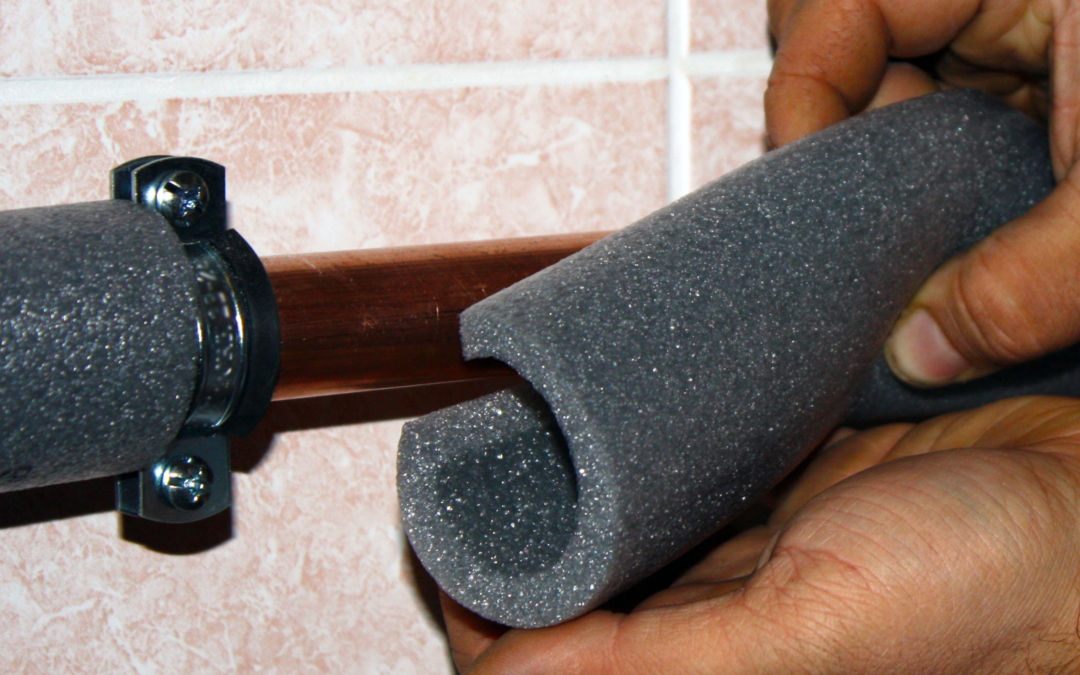
Preventing frozen pipes starts with preparation. Insulating exposed pipes, sealing drafts near plumbing, and keeping cabinet doors open during extreme cold all help. On especially cold nights, letting faucets drip slightly can prevent pressure buildup.
Homes in Northern Kentucky and Greater Cincinnati—especially older properties—often benefit from a professional winter plumbing inspection to identify weak points before temperatures drop.
When to Call a Professional Plumber
If you’ve lost water, can’t safely access frozen pipes, or notice any leaks, it’s time to call a licensed plumber. At True Flow Services, we’ve helped countless local homeowners handle frozen pipes quickly and safely—preventing costly burst pipe disasters.
If you’ve got no water or suspect frozen lines, contact True Flow Services for fast, professional help. Our experienced team is ready to protect your home and restore your plumbing with care and reliability you can trust.