
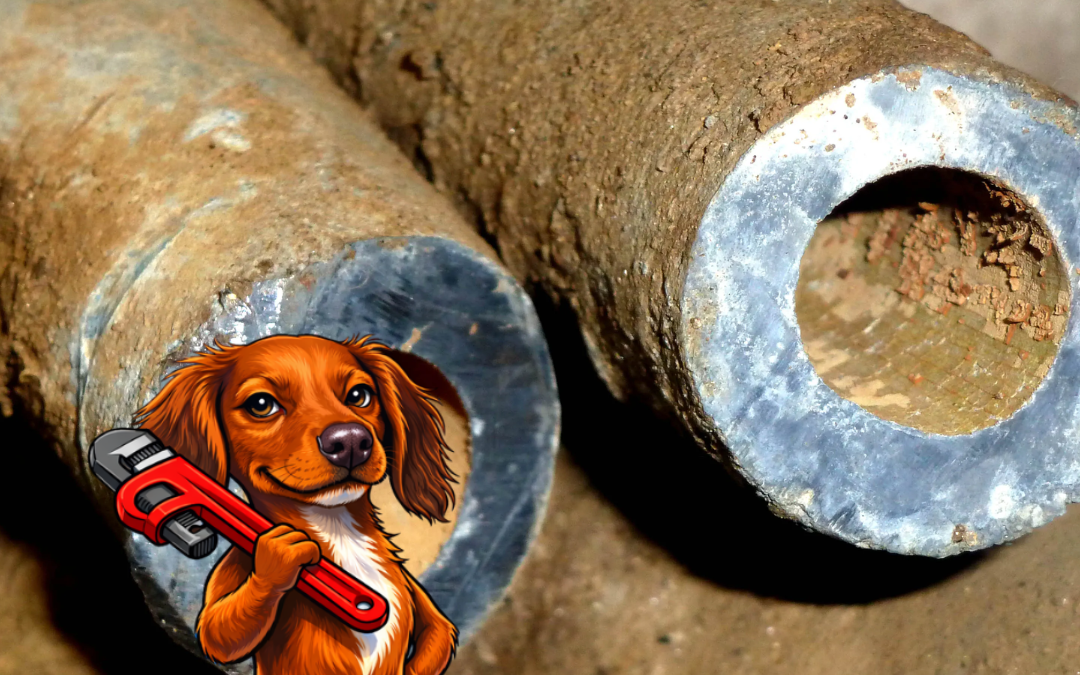
Lead in drinking water is one of the most serious concerns homeowners can face—especially in older homes. If your house was built before the late 1980s, there’s a chance your plumbing system could still contain lead components.
For homeowners in Cincinnati and throughout Northern Kentucky, understanding the signs of lead pipes—and what to do about them—is an important step in protecting your water quality.
At True Flow Services, we help homeowners identify risks, test their water, and install the right solutions to keep their homes safe.
Why Lead in Water Is a Concern
Lead is not something you want in your drinking water. Unlike chlorine (which is added intentionally for safety), lead typically enters water through:
- Old service lines
- Lead solder used in copper piping
- Brass fixtures that contain trace amounts of lead
Once present, lead can leach into your water, especially if pipes are corroding.
The Environmental Protection Agency states that no level of lead is considered completely safe, particularly for children and pregnant women.
How Common Are Lead Pipes?
Lead pipes were widely used in homes built:
- Before 1950 (higher likelihood of full lead service lines)
- Between 1950–1986 (lead solder and components more common)
In older neighborhoods around Cincinnati and Northern Kentucky, it’s not unusual to find some level of lead in the plumbing system.
Signs You Might Have Lead Pipes
Lead is invisible in water, so you won’t always know it’s there—but there are some warning signs to look for.
1. Age of Your Home
If your home was built before 1986, there’s a higher chance of lead components being present.
2. Dull Gray Pipes
Lead pipes typically have a dull gray color and:
- Feel soft if scratched
- Can be lightly scratched with a coin to reveal a shiny surface underneath
3. No Visible Corrosion (But Still a Risk)
Unlike rusted steel or corroded copper, lead pipes can look relatively normal while still leaching contaminants.
4. Metallic Taste in Water
Some homeowners report a slightly metallic taste, though this is not always noticeable.
5. Discolored Water After Sitting
If water appears slightly discolored when first turned on (especially after sitting overnight), it could indicate pipe corrosion—potentially including lead.
6. Known Lead Service Lines in Your Area
Some municipalities have maps or records of homes with lead service lines. If your neighborhood is known for older infrastructure, it’s worth investigating.
The Only Way to Know for Sure: Testing
Visual inspection alone isn’t enough. The most reliable way to determine if lead is in your water is through professional water testing.
Testing can identify:
- Lead levels
- Other contaminants
- Overall water quality
This is especially important because water quality can change between the street and your tap depending on your home’s plumbing.
How to Fix Lead Pipe Issues
If lead is present, there are two main approaches:
1. Pipe Replacement (Permanent Solution)
Replacing lead service lines and old plumbing components is the most effective long-term fix.
This eliminates the source of contamination entirely.
2. Water Filtration (Immediate Protection)
If full replacement isn’t immediately possible, filtration systems can significantly reduce lead exposure.
Effective options include:
- Reverse osmosis systems (for drinking water)
- Certified carbon filtration systems designed for lead removal
Why This Matters for Your Home
Lead doesn’t just affect drinking water—it can impact:
- Cooking
- Ice makers
- Baby formula preparation
That’s why even small amounts are taken seriously.
Learn More About What’s in Your Water
Lead is just one of many potential contaminants that could be present in your home’s water supply. Understanding the full picture is key to making the right decision.
We break this down in detail in our main guide:
“Water Filtration 101: What’s Really in Your Water & How to Fix It”
This resource covers:
- Common contaminants (like chlorine, PFAS, and metals)
- Differences between filtration, softening, and conditioning
- The best solutions for homes in Northern Kentucky and Greater Cincinnati
If you live in an older home, it’s worth asking the question: Do you have lead pipes?
Even if your water looks clean and tastes fine, lead can still be present. The good news is that with proper testing and the right solution, you can fully protect your home and your family.
At True Flow Services, we help homeowners across Northern Kentucky and Greater Cincinnati:
- Identify potential lead risks
- Perform water testing
- Install filtration systems or replace outdated piping
If you’re unsure about your plumbing or water quality, taking the first step now can prevent bigger issues down the line.