Water filtration systems are designed to protect your home and improve your water quality—but they don’t last forever. Over time, filters wear out, clog, or stop removing contaminants effectively. The problem is, most homeowners don’t realize there’s an issue until it starts affecting their water, plumbing, or appliances.
If you live in Cincinnati or Northern Kentucky, knowing the warning signs of a failing water filter can help you avoid bigger problems and unnecessary expenses.
At True Flow Services, we regularly help homeowners diagnose filtration issues and restore their systems before things get worse.
Why Water Filters Fail
Water filters work by trapping or removing contaminants. As they do their job, they gradually become:
- Clogged with sediment
- Saturated with chemicals
- Worn down from constant use
Eventually, they stop working the way they should—and in some cases, they can actually make water quality worse.
1. Drop in Water Pressure
One of the first and most noticeable signs is reduced water pressure.
This usually happens when:
- Sediment filters become clogged
- Debris builds up inside the system
If your showers feel weaker or faucets aren’t flowing like they used to, your filter may be restricting water flow.
2. Bad Taste or Odor Returns
If your water starts to taste or smell like:
- Chlorine
- Metal
- Sulfur
…it’s a strong sign your filter is no longer removing contaminants effectively.
This is especially common with carbon filters, which lose their ability to absorb chemicals over time.
3. Cloudy or Discolored Water
Water should run clear. If you’re seeing:
- Cloudiness
- Brown or yellow tint
- Floating particles
Your filtration system may no longer be capturing sediment properly.
This can also be influenced by local water sources like the Ohio River, where treated water can still carry fine particles that need proper filtration at the home level.
4. Scale Buildup on Fixtures
If you’re noticing:
- White residue on faucets
- Mineral buildup on showerheads
- Spots on dishes
Your system may not be addressing hardness or mineral content properly.
While filtration and conditioning are different, a failing system can allow more minerals through than intended.
5. Frequent Plumbing Issues
A failing filter doesn’t just affect water quality—it can impact your entire plumbing system.
Watch for:
- Clogged aerators
- Appliance inefficiency
- Increased maintenance needs
Filters are meant to protect your plumbing. When they stop working, everything downstream is at risk.
6. Unusual Noises From the System
If your filtration system starts making:
- Humming
- Gurgling
- Whistling sounds
…it could indicate:
- Blockages
- Pressure issues
- Internal wear
These sounds are often early warning signs that something isn’t functioning correctly.
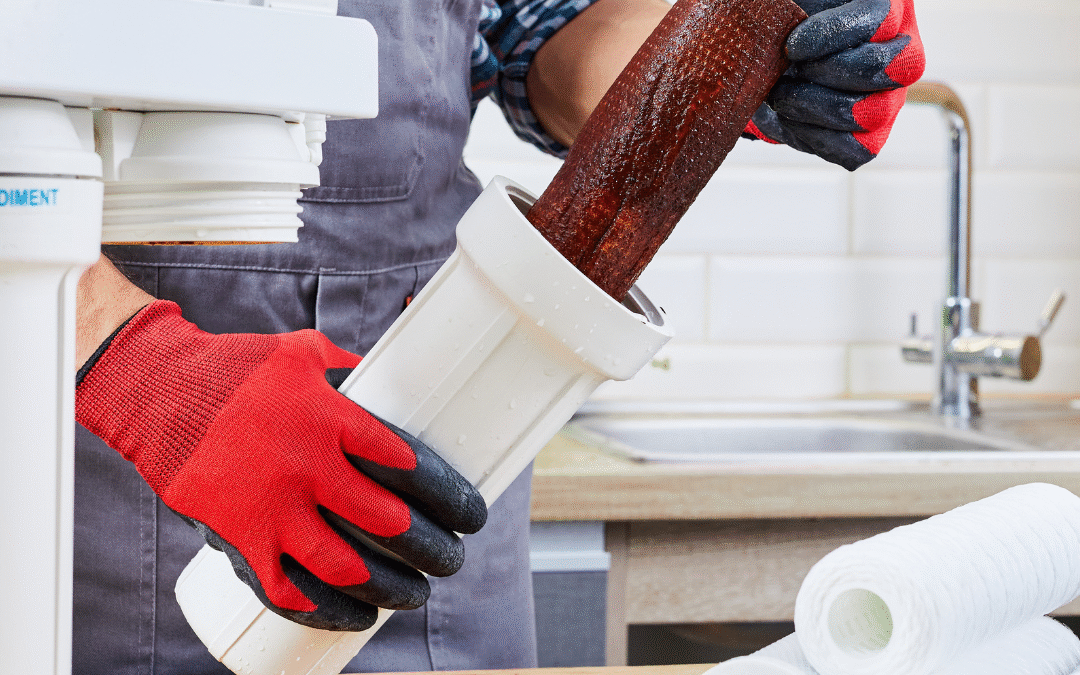
7. You Can’t Remember the Last Time You Changed It
This is one of the biggest red flags.
Most filters need to be replaced:
- Every 3–6 months (sediment filters)
- Every 6–12 months (carbon filters)
- Every 2–3 years (RO membranes)
If you’re unsure when your filter was last changed, there’s a good chance it’s overdue.
8. System Isn’t Performing Like It Used To
Even without obvious signs, you might notice:
- Water doesn’t taste as clean
- Showers feel different
- Appliances aren’t performing as well
These subtle changes often happen gradually, making them easy to overlook.
What Happens If You Ignore It?
Letting a failing filter go unchecked can lead to:
- Contaminants passing through your water
- Damage to plumbing and appliances
- Reduced lifespan of your filtration system
- Higher repair or replacement costs
In some cases, old filters can even become a breeding ground for bacteria.
How to Fix the Problem
1. Replace the Filter
The first step is always to replace old or clogged filters with new ones that match your system.
2. Inspect the Entire System
Sometimes the issue isn’t just the filter—it could be:
- Incorrect filter type
- Improper installation
- System design limitations
3. Test Your Water
Water conditions can change over time. Testing helps identify:
- New contaminants
- Changes in mineral levels
- System performance gaps
4. Upgrade If Needed
If your system isn’t meeting your needs, it may be time to upgrade to a more advanced setup, such as:
- Multi-stage filtration
- Reverse osmosis for drinking water
- Whole-home filtration systems
Why Local Water Conditions Matter
Water quality in Northern Kentucky and Greater Cincinnati can vary based on:
- Source water
- Infrastructure
- Plumbing inside your home
Even if your system worked perfectly when installed, changes in water conditions can impact its performance over time.
Your water filter is only effective if it’s properly maintained and functioning the way it should.
If you notice:
- Low pressure
- Bad taste or smell
- Cloudy water
- Increased plumbing issues
…it’s time to take a closer look at your system.
At True Flow Services, we help homeowners across Northern Kentucky and Greater Cincinnati:
- Diagnose filtration problems
- Replace and maintain filters
- Design systems that actually solve the issue
If something feels off with your water, it’s worth checking—because small filtration issues can turn into bigger problems faster than you think.