
If you’ve been researching water quality or looking into filtration systems for your home, you may have come across a pretty serious-sounding question:
Do water filters actually remove Cryptosporidium?
Short answer: Yes—but only certain types of filters do.
And this is where things can get confusing for homeowners.
Not all water filters are created equal, and when it comes to something like Cryptosporidium—a chlorine-resistant parasite—you need the right type of filtration system to properly protect your home.
At True Flow Services, we help homeowners across Florence, Northern Kentucky, Greater Cincinnati, and the Tri-State region understand what’s really in their water and how to fix it. As the top local plumbing company in the area, we focus on honest recommendations, no upsells, and solutions that actually work long-term.
Let’s break this down in a simple, real-world way so you know exactly what to look for.
What Is Cryptosporidium and Why Is It a Concern in Drinking Water?

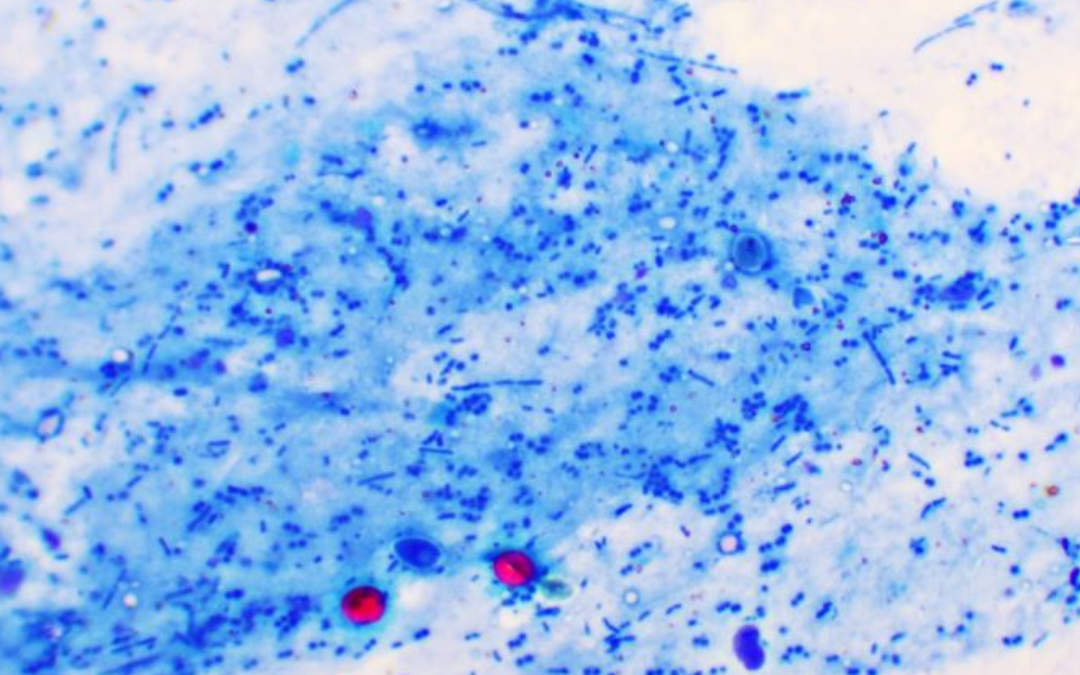
Cryptosporidium (often called “Crypto”) is a microscopic parasite that can live in water and cause illness if ingested.
It’s not something you can see, taste, or smell—but it can cause:
- Stomach cramps
- Diarrhea
- Nausea
- Dehydration
For most healthy adults, it’s usually temporary (though still very unpleasant). But for children, elderly individuals, or those with weakened immune systems, it can be more serious.
Here’s the key thing homeowners need to understand:
Cryptosporidium is highly resistant to chlorine.
That means even though municipal water systems (like those in Northern Kentucky and Cincinnati) treat water with chlorine to kill bacteria and viruses, Crypto can still survive standard treatment methods.
This doesn’t mean your water is unsafe—but it does mean that if you want an added layer of protection, especially for drinking water, filtration becomes important.
This is one of the biggest reasons homeowners start searching for:
- “best water filter for parasites”
- “water filtration systems Northern Kentucky”
- “does tap water remove Cryptosporidium”
And it’s also why choosing the right system matters—not just any filter will do the job.
If you want a broader breakdown of what could be in your water locally, check out:
Read our guide on water filtration
What Are Microns in Water Filtration (And Why They Matter So Much)?
When you start looking at water filters, you’ll see the term “micron rating” come up a lot.
Let’s simplify it.
A micron (short for micrometer) is a unit of measurement used to describe how small something is.
- 1 micron = 1/1,000,000 of a meter
- For reference: a human hair is about 70 microns wide
So we’re talking extremely small.
Now here’s why it matters:
Water filters are rated by how small of a particle they can physically block.
Cryptosporidium organisms are typically around:
- 4 to 6 microns in size
So in theory, any filter rated at 1 micron or smaller should be able to block them.
But there’s an important detail most homeowners miss:
Nominal vs Absolute Micron Ratings
- Nominal rating: Removes a percentage of particles (not all)
- Absolute rating: Removes 99.9% or more of particles at that size
So when it comes to something serious like Cryptosporidium, you want:
An absolute 1 micron filter (or smaller)
This ensures consistent, reliable removal—not just partial filtration.
This is where working with a knowledgeable plumber can make a big difference. We help homeowners understand the difference between marketing claims and actual performance.
What Types of Water Filters Remove Cryptosporidium?
Now let’s get into the most important part—what actually works.
1. Absolute 1-Micron (or Smaller) Filters
These physically block Cryptosporidium from passing through.
Best for:
- Point-of-use systems (under sink, drinking water filters)
- Whole-home filtration (in some setups)
2. Reverse Osmosis Systems
Reverse osmosis (RO) systems are one of the most effective filtration methods available.
They use a semi-permeable membrane that removes:
- Parasites (like Cryptosporidium)
- Bacteria
- Heavy metals
- Dissolved solids
RO systems go beyond just particle filtering—they remove contaminants at a molecular level.
3. Filters Certified Under NSF Standard 53 or 58
This is where certifications matter.
- NSF Standard 53: Covers health-related contaminant reduction (including cysts like Cryptosporidium)
- NSF Standard 58: Specifically applies to reverse osmosis systems
If a filter is certified under these standards, it has been tested and verified to remove Cryptosporidium effectively.
This is one of the easiest ways for homeowners to cut through the noise when shopping for systems.
If you’re searching for “plumbing services near me” to install or upgrade a filtration system, make sure the system meets one of these criteria.
Do You Actually Need a Filter for Cryptosporidium in Northern Kentucky or Cincinnati?
This is where things get practical.
Municipal water systems in our area are treated and monitored, and for most people, the water is considered safe.
But that doesn’t mean filtration isn’t worth considering.
Here are some situations where adding a filter makes sense:
You Want Extra Protection for Drinking Water
Even if the risk is low, many homeowners prefer an added layer of safety—especially for families.
You Have a Private Well
Well water is not treated the same way as city water, so filtration becomes much more important.
You Have Immunocompromised Family Members
Extra protection against parasites and contaminants can be a smart move.
You’re Already Installing a Filtration System
If you’re investing in filtration for taste, chlorine removal, or hard water, it often makes sense to choose a system that also handles Cryptosporidium.
At True Flow Services, we don’t push systems people don’t need. We help homeowners understand:
- What’s in their water
- What level of filtration makes sense
- What systems actually deliver results
If you’re already dealing with plumbing issues alongside water quality concerns, you may also want to check out:
See our drain cleaning services
DIY Filters vs Professional Installation: What’s the Difference?
There are plenty of filters you can buy online or at big box stores—but not all of them are designed for long-term reliability or whole-home protection.
DIY Filters:
- Lower upfront cost
- Easy to install
- Usually limited to drinking water only
- May not have proper certifications
Professionally Installed Systems:
- Higher upfront investment
- Designed for your home’s specific water conditions
- Can cover entire home or key areas
- Installed and tested correctly
- Backed by professional support
One of the biggest issues we see is homeowners buying filters that:
- Don’t have the right micron rating
- Aren’t NSF certified
- Don’t match their home’s water pressure or usage
This leads to poor performance and wasted money.
Working with a trusted plumber in Cincinnati or local expert ensures the system actually does what it’s supposed to do.
How True Flow Services Helps You Choose the Right Water Filtration System
Water quality can feel overwhelming—but it doesn’t have to be.
At True Flow Services, we keep things simple and honest.
Founded by Kelley Shouse, a licensed plumber with over 20 years of experience, our mission is to provide high-quality residential plumbing without the big company upsell.
When it comes to water filtration, we help homeowners:
- Understand what’s in their water
- Choose the right system (not the most expensive one)
- Install it correctly the first time
- Maintain it for long-term performance
We’ve built a strong reputation across Northern Kentucky, Greater Cincinnati, and the Tri-State region with:
And that trust comes from doing things the right way.
If you’re exploring filtration options, you can start here:
Read our guide on water filtration
And for more tips, real installs, and homeowner advice:
Follow us on Facebook
Watch more on YouTube
FAQs About Water Filters and Cryptosporidium
Do all water filters remove Cryptosporidium?
No. Only filters with an absolute 1-micron rating or smaller, reverse osmosis systems, or those certified under NSF 53/58 reliably remove it.
What size filter removes Cryptosporidium?
Filters rated at 1 micron absolute or smaller are effective at removing Cryptosporidium.
Is tap water safe from Cryptosporidium?
Municipal water is treated and generally safe, but Cryptosporidium is resistant to chlorine, which is why filtration can add extra protection.
What is the best filter for removing parasites from water?
Reverse osmosis systems and NSF-certified filters are among the most effective options.
Do I need a whole-house filter or just drinking water filtration?
It depends on your goals. Most homeowners focus on drinking water, but whole-house systems offer broader protection.
Want Cleaner, Safer Water at Home? We Can Help
If you’ve been wondering whether your current filter is doing enough—or if you’re just starting to look into water filtration—you’re asking the right questions.
Clean water isn’t just about taste. It’s about peace of mind.
True Flow Services is proud to be the top local plumbing company serving Northern Kentucky, Greater Cincinnati, and the Tri-State region. We help homeowners find the right solutions without confusion, pressure, or upsells.
If you want help choosing or installing a water filtration system that actually works, we’re here when you need us.