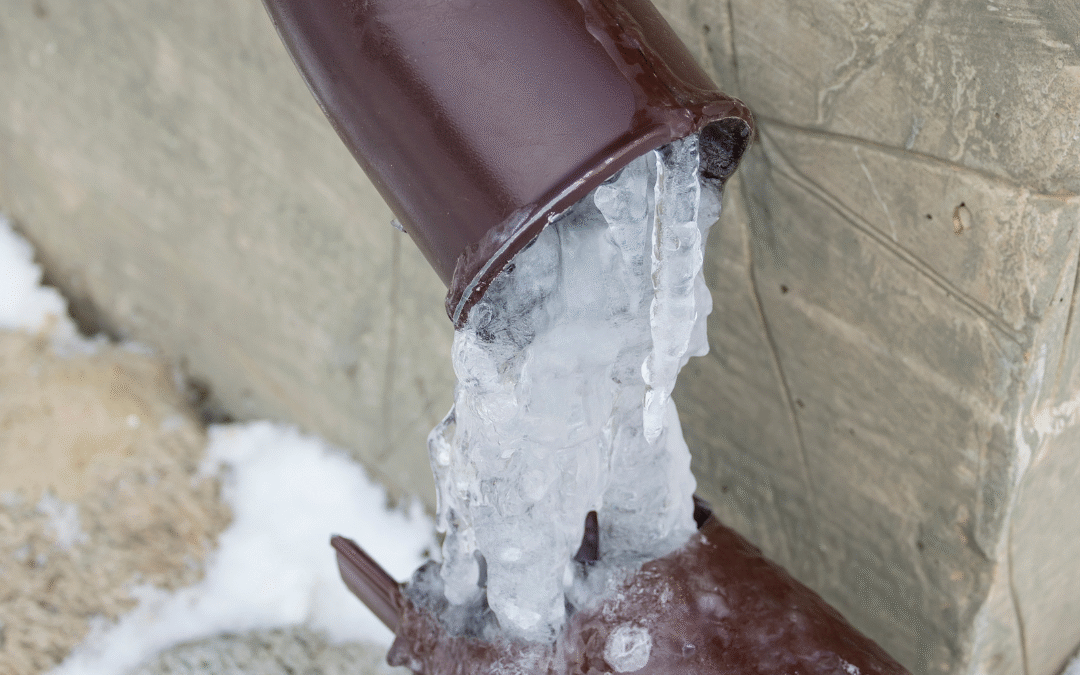
When winter sets in across Greater Cincinnati and Northern Kentucky, frozen pipes become a serious concern for homeowners. With temperatures dropping below freezing, even a brief cold snap can cause water inside your pipes to freeze—and when that happens, the pressure buildup can lead to a burst pipe and thousands of dollars in water damage.
If you’re dealing with no water, low pressure, or strange sounds in your plumbing, a frozen pipe may be the culprit. This blog will walk you through what to do right now, how to thaw pipes safely, and what steps to take to protect your home before the next cold snap hits.
Table of Contents
How Do I Know If a Pipe Is Frozen?
A frozen pipe won’t always burst—but the signs often appear before major damage occurs. If you notice any of the following, it’s time to take action:
- No water coming from a faucet—especially in colder areas of the home
- Unusual gurgling sounds when you turn on taps
- Frost on visible pipes near walls, crawlspaces, or basements
- Low water pressure from one or more fixtures
- Damp walls or ceilings near plumbing lines (a possible sign of a burst)
Frozen pipes are especially common in attics, exterior walls, basements, crawlspaces, or any uninsulated plumbing exposed to outside temperatures.
Step-by-Step: What to Do if You Suspect a Frozen Pipe
If you think a pipe is frozen, the most important thing is to act quickly—but safely. Here’s what you should do:
1. Shut Off the Main Water Supply
If you believe a pipe has already burst or could burst at any moment, shut off your home’s main water valve immediately. This helps prevent additional flooding.
2. Open the Affected Faucet
Open the cold and hot taps on the affected fixture. This relieves pressure and allows water to flow once the pipe starts to thaw.
3. Gently Warm the Pipe
If you can safely access the frozen section:
- Use a hair dryer, heating pad, or space heater (on a safe surface)
- Start warming the pipe near the faucet first, then work backward toward the frozen section
- Never use an open flame or blowtorch—this is a major fire risk
If you can’t access the frozen area, or nothing happens after 30 minutes of warming, it’s time to call a licensed emergency plumber.
4. Check for Leaks Once Thawed
As the ice melts, inspect the pipe closely. Even small cracks can leak once water starts flowing again. If you see moisture, bulging, or hear hissing, shut the water back off and contact a professional immediately.
When Should I Call a Local Emergency Plumber?
It’s time to call in help if:
- You can’t find the frozen section of pipe
- You’ve lost water to an entire part of your house
- The pipe is visibly damaged or leaking
- You’re unsure how to safely access or thaw the pipe
At True Flow Services, we offer 24/7 emergency plumbing repair across Greater Cincinnati and Northern Kentucky. Our licensed technicians use thermal imaging and specialized thawing equipment to locate and fix frozen pipes with minimal damage to your home.
How to Keep Pipes from Freezing During the Next Cold Snap
Once you’ve dealt with a frozen pipe—or want to avoid one altogether—it’s essential to prepare your plumbing for more winter weather. Here are key prevention tips:
Insulate Vulnerable Pipes
Wrap exposed pipes in unheated areas using:
- Foam pipe insulation
- Fiberglass sleeves
- Heat tape (follow manufacturer’s instructions)
Focus on pipes in attics, garages, crawlspaces, and along exterior walls.
Let Faucets Drip During Extreme Cold
On bitterly cold nights (especially under 20°F), allow a slow drip from faucets served by exposed pipes. This keeps water moving and reduces pressure buildup.
Keep Interior Doors Open
Open cabinet doors under sinks and bathroom vanities to let warm air circulate around plumbing. Also, keep interior doors open to help distribute heat evenly throughout the home.
Seal Drafts and Insulate Walls
Cold air sneaking into your home can chill pipes quickly. Seal gaps around windows, doors, and foundation vents—and consider adding insulation to walls near plumbing.
Maintain a Consistent Indoor Temperature
Never let your home drop below 55°F, even when you’re away. If you’re leaving for a winter trip, shut off the water and drain your system—or schedule a professional winterization service.
Frozen Pipes Can Burst Without Warning—Don’t Wait to Act
Frozen pipes can quickly escalate into major water damage—especially in older homes across Florence, Crescent Springs, and West Chester. The best time to prevent a burst pipe is before the next freeze.
If you’re dealing with low water pressure, strange plumbing noises, or suspect a pipe is frozen, call True Flow Services right away. Our team is standing by to provide fast, honest, and professional service—day or night.
Need Emergency Pipe Repair or Winter Plumbing Help?
Trust the experts at True Flow Services, proudly serving Northern Kentucky and the Greater Cincinnati area with:
- 24/7 emergency plumbing repair
- Pipe insulation and freeze protection
- Burst pipe detection and replacement
- Licensed, background-checked professionals
Don’t wait for a pipe to burst—call today or schedule online.