When you turn on your faucet, you might not think twice about the water flowing out — but not all water is the same. One common issue in many areas of the U.S., including Cincinnati, Ohio, is hard water. Hard water doesn’t pose a serious health threat, but it can cause significant wear and tear on your plumbing system over time — and that means potential repair and replacement costs if left untreated.
Table of Contents
What Does “Hard Water” Mean?
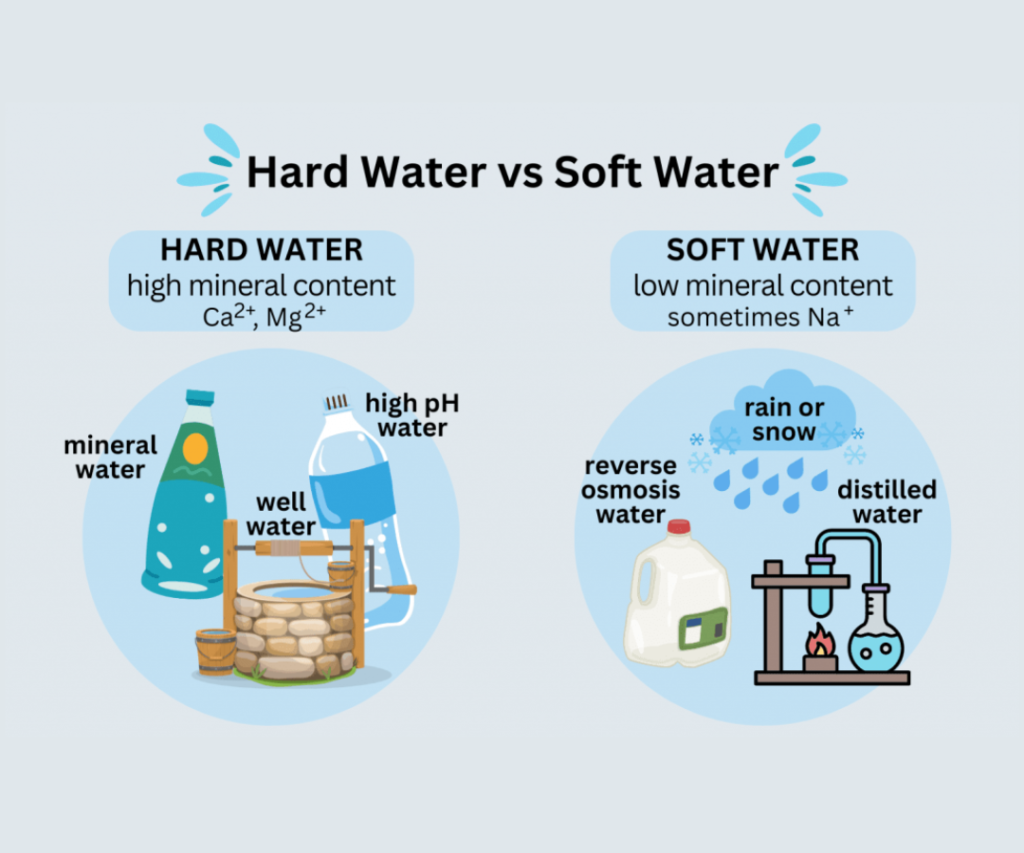
Hard water is water that contains higher than normal levels of dissolved minerals, especially calcium and magnesium ions. These minerals are naturally present in groundwater as it passes through limestone and other mineral-rich soil. Hard water doesn’t affect the safety of your drinking water, but it does affect how water behaves and interacts with your home’s pipes, fixtures, and appliances.
In contrast, soft water contains very low levels of these minerals. Water softening systems remove or neutralize the minerals to prevent the problems described below.
What’s in Cincinnati’s Tap Water?
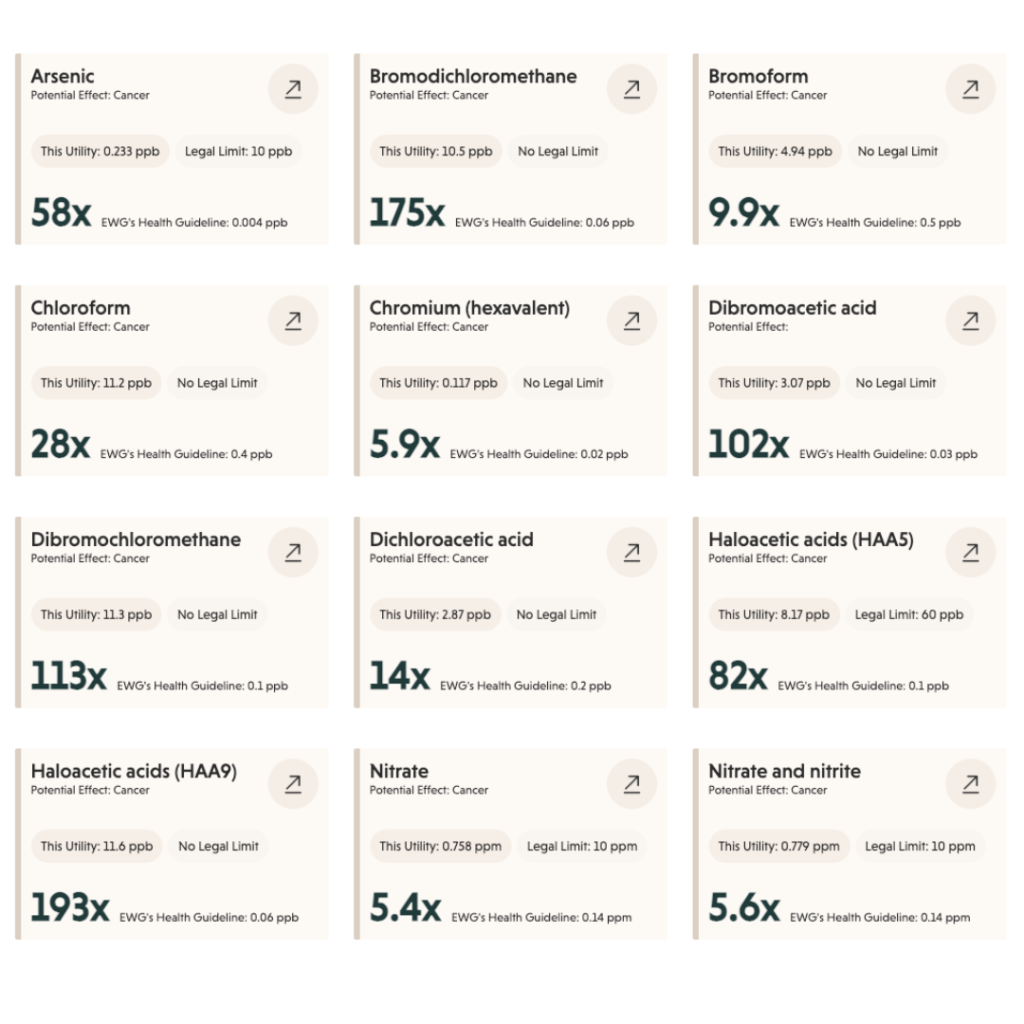
According to the Environmental Working Group’s Tap Water Database for the Cincinnati Public Water System, the city’s drinking water meets federal standards — but it still contains dozens of different contaminants and treatment byproducts that are detected in measurable amounts.
While the EWG report focuses on chemical contaminants like bromodichloromethane, chloroform, and chromium that can be present from surface water treatment processes, it’s important to remember that even clean, treated municipal water can still have natural mineral content like calcium and magnesium — the very minerals that cause hard water.
Your everyday tap water can simultaneously be in compliance with federal health guidelines and still cause mineral-related wear on your plumbing over years of use.
How Hard Water Affects Plumbing Fixtures and Pipes
Hard water affects your home long before you might notice damage or performance issues. Over time, the minerals in hard water precipitate out of solution and form solid deposits known as scale — or limescale, a chalky, white buildup composed mainly of calcium carbonate.
Here’s what that looks like in your plumbing system:
1. Scale Buildup in Pipes
As mineral deposits accumulate inside pipes, they gradually narrow the internal diameter of the pipe. This results in:
- Reduced water flow and pressure
- Uneven water delivery to faucets and showers
- Higher chances of clogs and slow drains
If scale buildup becomes severe, you may even need professional cleaning or pipe replacement.
2. Mineral Deposits on Fixtures
Hard water leaves visible chalky rings and crusty spots around:
- Faucets and spouts
- Showerheads
- Valve trim and handles
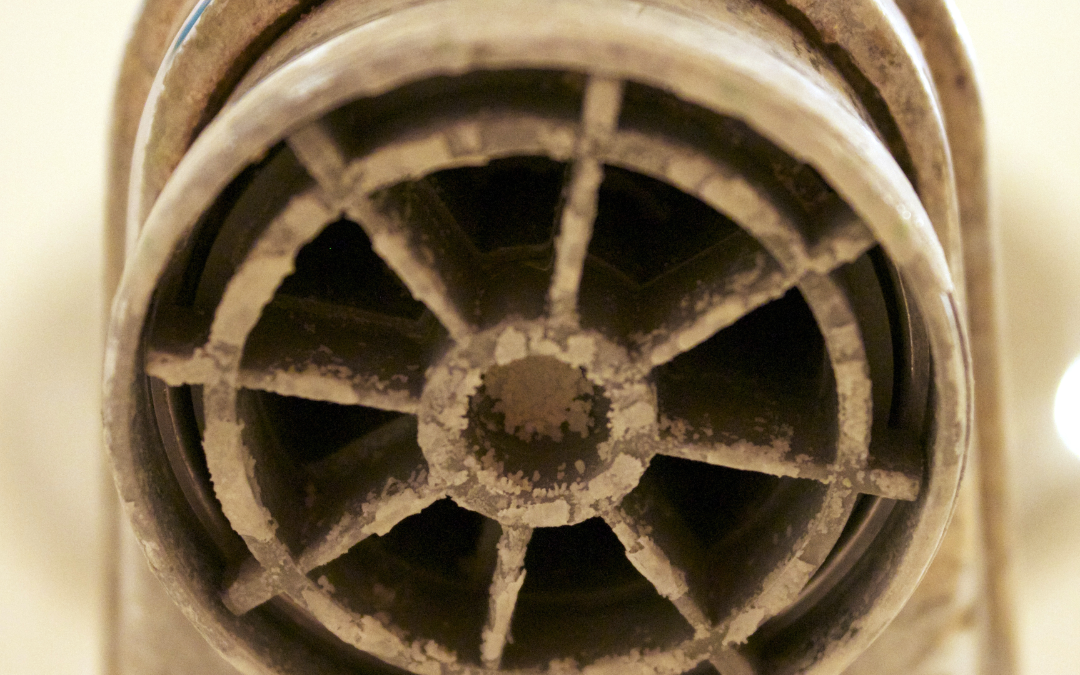
This isn’t just unsightly — it can restrict water flow, clog spray heads, and make faucets harder to operate. You’ll often see these deposits inside aerators and nozzles.
3. Reduced Appliance Efficiency
Appliances connected to your plumbing — like water heaters, dishwashers, and washing machines — are especially vulnerable:
- Scale inside water heaters settles at the bottom of the tank
- Heating elements have to work harder to heat water through the insulating layer
- Resulting in higher energy use, higher bills, and shortened appliance lifespan
Dishwashers and washing machines can also develop internal buildup that reduces cleaning effectiveness and increases wear.
Why Hard Water Can Cost You More Money Down the Line
If hard water is left untreated, the consequences for your home can be expensive:
Frequent Repairs
Mineral buildup can cause:
- More frequent plumbing service visits
- Increased fixture replacements
- Device and appliance malfunction
This leads to higher maintenance and replacement costs over the lifespan of your home’s plumbing system.
Decreased Water Heater Efficiency
Hard water can reduce a water heater’s efficiency by making it consume more energy and work harder — often leading to earlier replacement.
More Cleaning and Maintenance
Hard water leaves:
- Soap scum
- Chalky residue
- Cloudy glassware
- Stains on fixtures and tiles
These nuisances may not demand professional help, but they do increase the amount of time and money spent on cleaning products, homeowner effort, and cosmetic fixture replacements.
What You Can Do About It
The most effective solution is a whole-house water softening or conditioning system. These systems either:
- Remove minerals from the water (true softening), or
- Change the form of minerals so they don’t adhere and make scale (conditioning)
Both approaches can:
- Increase the lifespan of your plumbing
- Reduce scale buildup
- Improve water flow and appliance performance
- Lower long-term repair costs
Even if installing a whole-house system seems like an investment upfront, it pays off by reducing damage, service calls, and appliance wear over time.
Hard water is not dangerous, but it is deceptively expensive if ignored. In places like Cincinnati, your tap water can contain enough dissolved minerals to quietly create scale, clogs, corrosion, and inefficiency in your plumbing system — even when your water quality meets federal standards.
The cost of yearly repairs, premature appliance failure, and fixture replacements typically far outweighs the upfront cost of installing a water conditioning or softening system.
If you want to protect your plumbing and extend the life of your fixtures and appliances, addressing hard water shouldn’t be an afterthought — it should be part of your home maintenance plan.