If your morning shower suddenly turns cold halfway through—or your dishwasher struggles to rinse clean—it’s not just your imagination. Many homeowners across Northern Kentucky and Greater Cincinnati notice their hot water doesn’t seem to last as long during the winter months.
So, what’s really going on? The answer lies in colder groundwater, higher demand, and an often-overlooked need for seasonal maintenance. The good news: there are simple steps you can take to improve efficiency, extend your system’s lifespan, and even decide if it’s time to upgrade to a tankless water heater.
Table of Contents
Why Hot Water Feels Limited in Winter
1. Colder Groundwater
In winter, the water coming into your home from underground pipes is significantly colder. This means your water heater has to work harder—and longer—to bring it up to the same temperature it did in summer.
2. Increased Hot Water Usage
You use more hot water in colder months without even realizing it:
- Longer, hotter showers
- Washing hands more often
- More laundry and dishwashing
This increased demand can quickly deplete the hot water stored in a traditional tank system.
3. Inefficient or Aging Equipment
If your water heater is older than 8–10 years, winter may reveal its limitations more clearly. Sediment buildup, worn heating elements, or a tank that’s simply too small can leave you with lukewarm water just when you need it most.
How to Improve Water Heater Efficiency This Winter
Before assuming your water heater is failing, take these steps to give it a performance boost:
Flush the Tank
Sediment naturally builds up at the bottom of the tank over time—especially in hard water areas like Florence, Covington, and Independence. This creates a barrier between the burner and the water, slowing heating.
Tip: Flush the tank once a year (or have a professional do it) to restore efficiency and prevent damage.
Insulate the Tank and Pipes
Use a water heater insulation blanket (if it’s a gas unit, check clearance rules) to reduce standby heat loss. Also wrap exposed hot water pipes in foam sleeves to help water retain heat as it moves through the system.
Lower the Temperature Slightly
It may sound counterintuitive, but setting the thermostat to 120°F (instead of 140°F) can:
- Reduce energy usage
- Prevent scalding
- Slow sediment buildup
- Avoid overheating the tank
Stagger Water Use
Try to space out showers, dishwashing, and laundry loads. If multiple people are using hot water back-to-back, the tank may not have time to recover—especially in winter.
When to Consider a Tankless Water Heater Upgrade
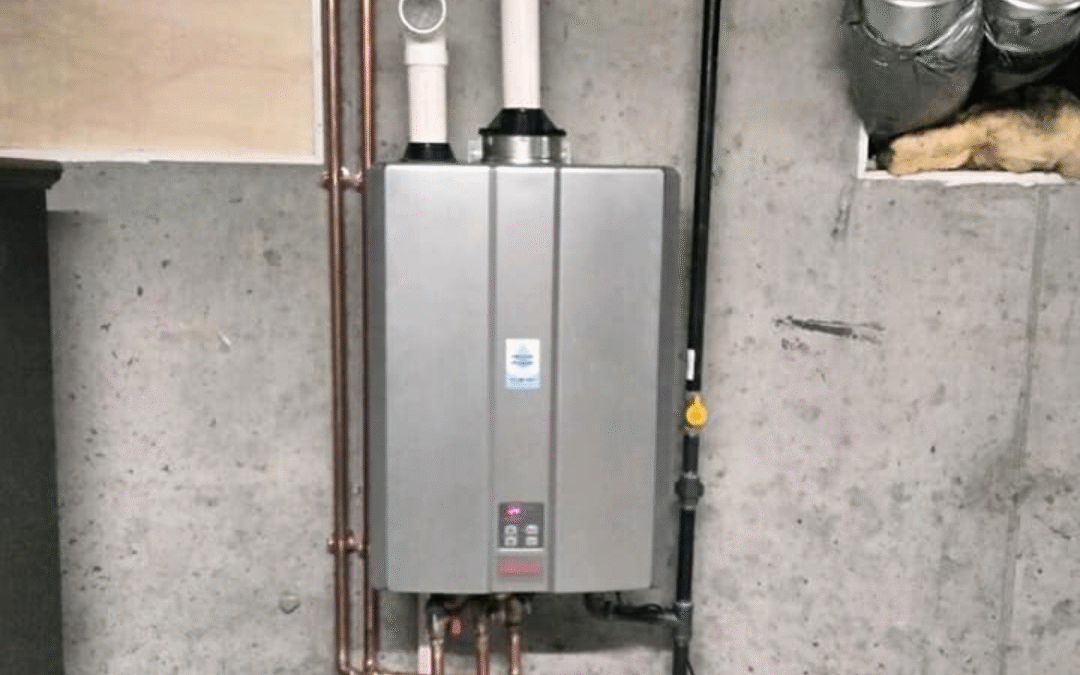
Traditional tank systems have a fixed capacity. Once the tank empties, you wait—often 30 minutes or more—for it to reheat. A tankless water heater, on the other hand, heats water on demand, so you never run out.
Here’s when switching makes sense:
You’re Frequently Running Out of Hot Water
If you’ve adjusted usage and performed maintenance but still run out often, a tankless system could be the answer.
You Want to Save on Long-Term Energy Bills
Tankless units don’t store hot water 24/7, which reduces energy loss—especially useful in the winter when heat retention is harder.
You’re Renovating or Staying Long-Term
If you’re upgrading your home or planning to stay for years to come, investing in a tankless water heater install near you can offer better performance and efficiency.
Pro Tip: Homes with multiple bathrooms or high hot water usage may need more than one unit or a hybrid system. Our experts can help you choose the right size for your household.
Don’t Wait Until Spring to Address Winter Water Woes
Winter weather puts your water heater to the test—but with the right maintenance and smart upgrades, you can avoid cold surprises and costly breakdowns.
At True Flow Services, we help homeowners across Greater Cincinnati and Northern Kentucky stay warm and efficient all season long. Whether you need:
- Traditional water heater repair
- Annual flushing service
- Water heater insulation
- Tankless water heater installation
—we’re here with honest guidance and expert care.
Is your hot water running out too fast this winter?
Schedule a water heater inspection today and get ahead of spring utility spikes or emergency replacements.