
Buying a home is one of the biggest financial decisions you’ll ever make. Between inspections, appraisals, and negotiations, it’s easy to assume the standard home inspection covers everything.
But here’s the truth: A general home inspection is not the same as a professional plumbing inspection. If you’re buying a home — especially in competitive markets like Cincinnati, West Chester, Mason, or Northern Kentucky — a dedicated plumbing inspection can save you thousands of dollars in unexpected repairs after closing.
Table of Contents
Quick Answer: Should You Get a Plumbing Inspection?
Yes — especially for homes over 20 years old, homes with finished basements, or homes with mature trees.
A plumbing inspection typically costs $150–$400, but sewer line inspections can cost $250–$600. Compared to a $5,000–$15,000 sewer replacement, it’s a small investment.
What Does a Plumbing Inspection Cover?
A licensed plumber looks far deeper than a general home inspector. Here’s what’s typically included:
1. Water Supply Lines
- Pipe material (copper, PEX, galvanized, polybutylene)
- Corrosion or scaling
- Proper pipe sizing
- Leak detection
Older galvanized pipes are especially concerning because internal corrosion restricts flow and eventually causes failure.
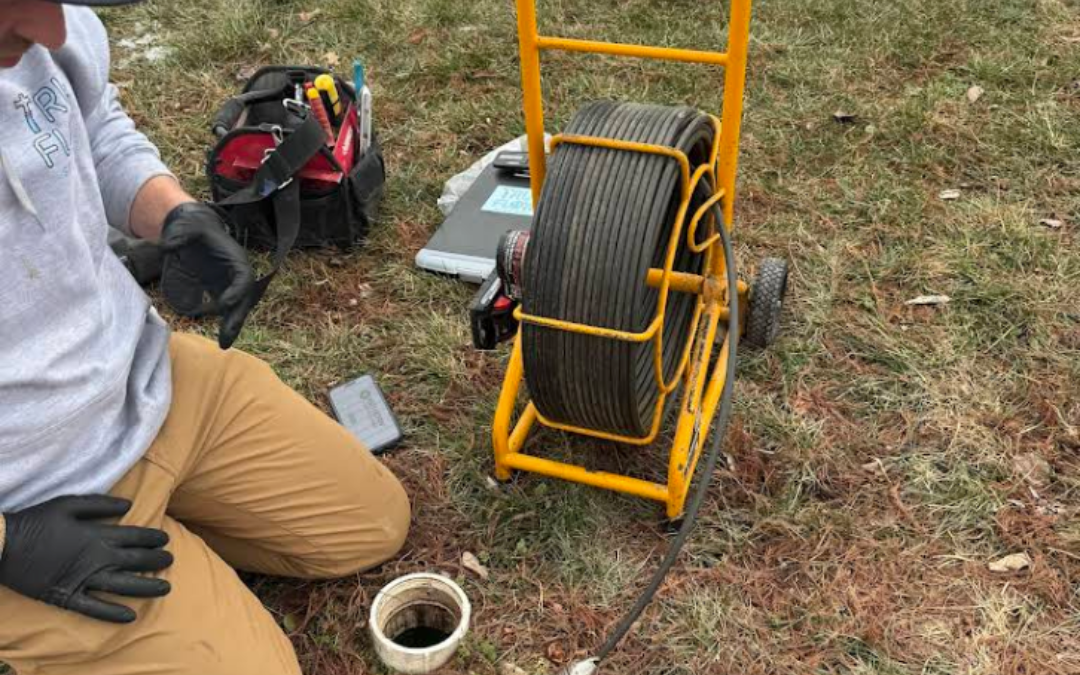
2. Drain & Sewer Lines (Camera Inspection)
This is the big one.
A sewer camera inspection checks for:
- Root intrusion
- Cracked or collapsed lines
- Offset joints
- Bellied (sagging) sections
- Grease buildup
In cities like Cincinnati where older clay sewer lines are common, tree roots are one of the most expensive hidden risks for buyers.
3. Water Heater
A plumbing inspection verifies:
- Age of the unit
- Proper venting
- Signs of tank corrosion
- Sediment buildup
- TPR valve condition
Most water heaters last 8–12 years. If the unit is older, you may want to negotiate replacement.
4. Water Pressure & Regulators
The plumber checks:
- PSI levels (normal is 40–60 PSI)
- Pressure reducing valve function
- Signs of pipe restriction
Low or fluctuating pressure can indicate internal pipe corrosion or regulator failure.
5. Fixtures & Shut-Off Valves
Inspection includes:
- Toilet seals
- Sink traps
- Exterior hose bibs
- Main shut-off functionality
Small issues here can signal deferred maintenance.
What a General Home Inspection Misses
Most home inspectors:
- Do not run sewer cameras
- Do not remove panels to inspect plumbing deeply
- Do not pressure-test supply systems
- Do not evaluate pipe lifespan in detail
They provide visual assessments only.
A plumbing inspection is diagnostic and system-specific.
How Much Does a Plumbing Inspection Cost?
Here’s what you can expect in the Greater Cincinnati area:
| Service | Typical Cost Range |
|---|---|
| Basic plumbing inspection | $150 – $400 |
| Sewer camera inspection | $250 – $600 |
| Water pressure testing | Often included |
| Full plumbing + sewer combo | $400 – $900 |
Compared to potential repair costs:
| Repair Type | Average Cost |
|---|---|
| Sewer line replacement | $5,000 – $15,000+ |
| Whole-home repipe | $6,000 – $20,000 |
| Water heater replacement | $1,200 – $3,500 |
| Slab leak repair | $2,000 – $7,000 |
The math strongly favors inspection.
When Is a Plumbing Inspection Absolutely Necessary?
You should strongly consider one if:
- The home is older than 20 years
- Large trees are near the foundation
- The home has had plumbing repairs in the past
- Water pressure seems weak
- There are signs of water damage
- The basement smells musty
- You’re buying a flipped property
Flipped homes sometimes focus on cosmetic updates while ignoring underground plumbing.
Hidden Plumbing Issues That Cost Buyers Thousands
1. Tree Root Sewer Intrusion
Roots seek moisture and invade older clay pipes. You may not notice until a backup occurs.
Repair cost: $3,000–$15,000.
2. Galvanized Pipe Failure
Common in homes built before the 1970s.
Corrosion reduces water flow and eventually causes leaks inside walls.
Repipe cost: $8,000–$20,000.
3. Polybutylene Pipe (PB)
Used heavily from the 1970s–1990s.
Known failure history. Many insurers dislike it.
Replacement cost: $6,000–$15,000.
4. Sewer Line Bellies
A sag in the pipe where waste collects.
Causes recurring clogs.
Repair often requires excavation.
Can You Negotiate Repairs After Inspection?
Yes — and this is where inspections pay for themselves.
If problems are found, you can:
- Request seller repairs
- Ask for closing credits
- Reduce purchase price
- Walk away (depending on contract terms)
Many buyers recover far more than the inspection cost through negotiation leverage.
Plumbing Inspection vs. Sewer Scope: What’s the Difference?
| Feature | Plumbing Inspection | Sewer Camera Inspection |
|---|---|---|
| Checks supply lines | ✔ | ✘ |
| Checks water heater | ✔ | ✘ |
| Inspects drains | Basic | Full camera |
| Identifies root intrusion | Limited | ✔ |
| Detects underground collapse | ✘ | ✔ |
Ideally, you want both.
Is It Worth It in Competitive Markets Like Cincinnati?
Yes — but timing matters.
In competitive markets:
- Some buyers waive inspections (risky).
- You can schedule quickly during inspection window.
- Some plumbers offer same-day sewer scopes.
If you’re spending $300,000–$500,000+ on a home, spending $400–$900 to protect yourself is financially smart.
FAQ: Plumbing Inspections Before Buying a Home
How long does a plumbing inspection take?
Most inspections take 1–2 hours, depending on home size and whether a sewer camera is included.
Can a plumbing inspection delay closing?
No — as long as it’s completed during your inspection contingency period.
Do newer homes need plumbing inspections?
Even newer homes can have:
- Improper pipe sizing
- Construction debris in drains
- Poorly installed fixtures
- High water pressure
Age reduces risk, but doesn’t eliminate it.
Who pays for the plumbing inspection?
Typically the buyer pays, unless negotiated otherwise.
Is a sewer inspection really necessary?
If the home is more than 15–20 years old, yes. Sewer repairs are one of the most expensive hidden issues in real estate.
Final Verdict: Should You Get One?
If you’re buying a home in Cincinnati, Mason, West Chester, or Northern Kentucky:
A plumbing inspection is not an unnecessary extra — it’s financial protection.
For a few hundred dollars, you gain:
- Clear understanding of pipe condition
- Knowledge of sewer health
- Negotiation leverage
- Peace of mind
Skipping it might save you a small upfront cost — but it could expose you to five-figure repairs after you move in.
When you’re making one of the biggest purchases of your life, informed decisions beat hopeful assumptions every time.