Older homes have character, craftsmanship, and history—but their plumbing systems often tell a different story. Whether your home was built in the early 1900s, mid-century, or even the 1980s, aging plumbing materials and outdated installation methods can lead to recurring problems. Understanding the most common plumbing issues in older homes can help you stay ahead of costly repairs and protect your property long term.
Table of Contents
1. Corroded or Galvanized Pipes
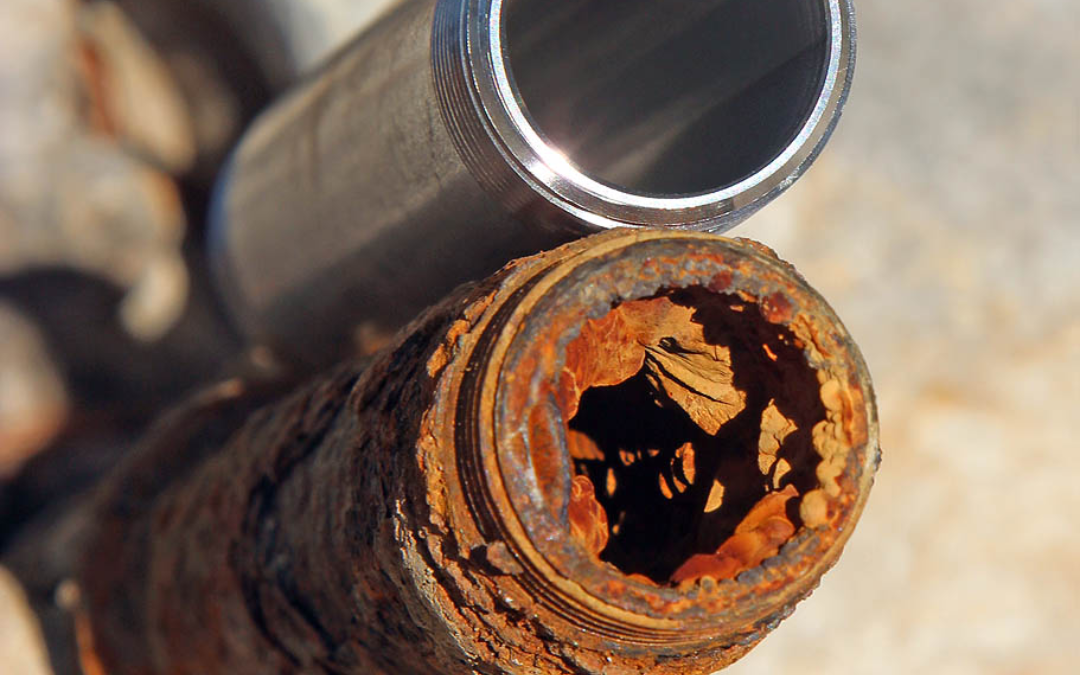
Many older homes were built with galvanized steel piping. Over time, these pipes corrode from the inside out. As corrosion builds up, it restricts water flow and weakens the pipe walls.
Common signs include:
- Low water pressure
- Discolored or rusty water
- Frequent leaks
Eventually, galvanized pipes need to be replaced with modern materials like copper or PEX.
2. Aging Sewer Lines
Older homes often have clay, cast iron, or Orangeburg sewer lines. While durable for their time, these materials deteriorate over decades.
Potential problems:
- Tree root intrusion
- Cracked or collapsed sections
- Frequent backups or slow drains
A sewer camera inspection can identify the exact condition of the line before a major failure occurs.
3. Outdated Plumbing Layouts
Plumbing codes and best practices have evolved significantly. Older homes may have:
- Poor venting systems
- Improper pipe sizing
- Excessive turns and connections
These issues can lead to slow drainage, gurgling sounds, and inconsistent performance.
4. Worn Shut-Off Valves
In many older homes, original shut-off valves may still be in place. These valves can seize up, leak, or fail when you need them most.
If a valve hasn’t been turned in years, it may not function properly during an emergency. Replacing aging valves is a simple upgrade that can prevent major water damage.
5. Water Heater Limitations
Older homes often weren’t designed for modern water usage. Today’s families use more hot water for showers, laundry, and appliances. If the home still has an undersized or aging water heater, you may experience:
- Running out of hot water quickly
- Inefficient operation
- Rust buildup or tank leaks
Upgrading to a properly sized unit improves comfort and efficiency.
6. Low or Fluctuating Water Pressure
Pressure issues in older homes can be caused by:
- Pipe corrosion
- Failing pressure reducing valves
- Mineral buildup
- Partially closed main valves
Consistent pressure between 50–70 PSI is ideal. Anything outside that range can strain your plumbing system.
7. Hidden Leaks Behind Walls
Over decades, small leaks can develop in hidden areas due to aging joints, corrosion, or shifting foundations. Warning signs include:
- Water stains on walls or ceilings
- Musty odors
- Unexplained increases in water bills
Leak detection technology makes it easier to locate and repair these issues before major damage occurs.
8. Fixture Wear and Tear
Original faucets, shower valves, and toilets eventually wear out. Internal components break down, seals fail, and efficiency drops. Modern fixtures not only improve performance but also reduce water usage.
Should You Repipe an Older Home?
Not every older home needs a full repipe, but if you’re experiencing frequent leaks, poor pressure, or visible corrosion, it may be more cost-effective long term to upgrade the system rather than continue making temporary repairs.
A professional inspection can determine:
- Pipe material and condition
- Remaining lifespan
- Whether partial replacement or full repiping makes sense
Older homes bring charm and uniqueness, but their plumbing systems often require extra attention. Staying proactive with inspections, upgrades, and preventative maintenance can help you preserve both the integrity of your plumbing and the value of your home.
If you own an older home and have concerns about your plumbing system, having it evaluated now can prevent unexpected emergencies later. A well-maintained plumbing system ensures your home’s history doesn’t turn into a future repair bill.