
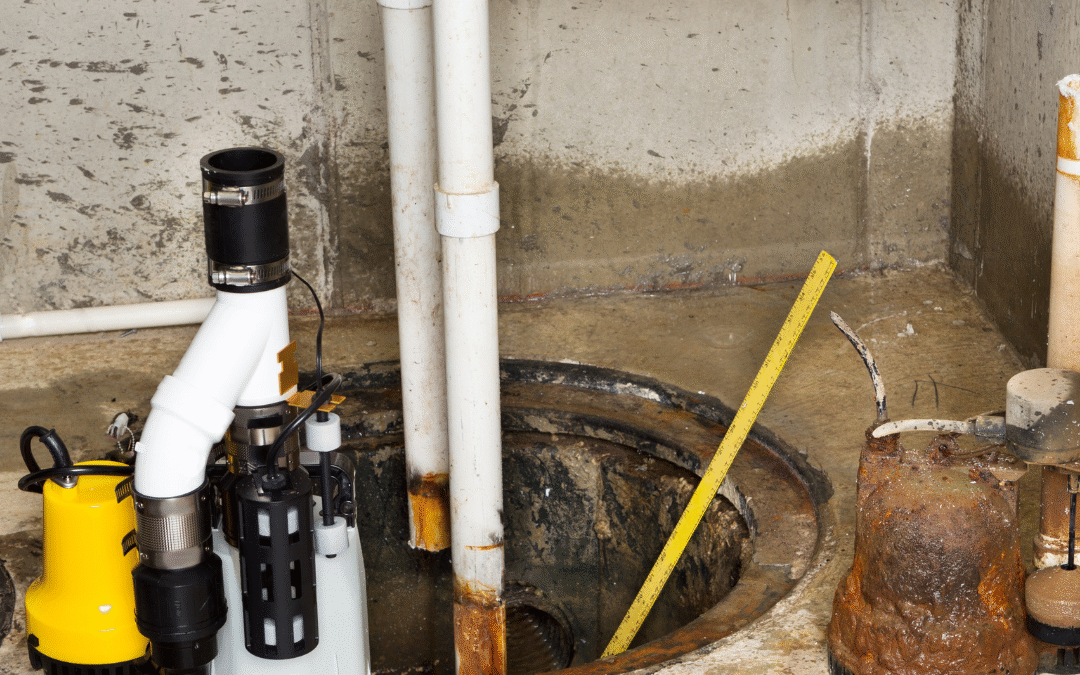
As temperatures rise after a deep freeze, many homeowners in the Tri-State area breathe a sigh of relief—until they walk downstairs and find water pooling in the basement. In Greater Cincinnati and Northern Kentucky, late winter thaws can bring unexpected plumbing problems, especially if your home isn’t prepared for the rapid snowmelt and shifting soil that follow.
Flooded basements are more than just a nuisance—they can lead to mold, structural damage, and ruined belongings. The good news? With a working sump pump and some proactive planning, you can avoid disaster.
Table of Contents
Why Thawing Conditions Put Your Basement at Risk
When frozen ground starts to thaw, melting snow and ice have nowhere to go. The soil is still saturated or sealed with a frozen layer just below the surface, which means runoff flows toward the lowest point—often your home’s foundation.
Here’s how the cycle plays out:
- Snow melts rapidly due to a warm spell or rain.
- The frozen ground can’t absorb the water.
- Water collects around your foundation and seeps into your basement.
- If your sump pump isn’t working properly, the water has no way out.
This is why so many basement floods in our area happen after a freeze—not during.
Common Sump Pump Problems After a Freeze
Your sump pump is your home’s first line of defense against water intrusion, but cold weather and heavy melt can expose weaknesses. Here are common issues we see during a midwinter thaw:
- Pump won’t turn on: Frozen or stuck float switches can prevent activation.
- Discharge line is frozen or blocked: Water has nowhere to go, backing up into the pit or basement.
- Pump is overwhelmed: Too much water too fast can exceed the pump’s capacity.
- No backup power: A power outage during a storm can leave your pump useless.
Many homeowners don’t realize their sump pump isn’t working until water is already rising.
How to Prevent Basement Flooding Before It Starts
Preventing water damage starts with preparation—especially before a thaw hits. Here’s what you can do:
- Test your sump pump regularly: Pour water into the pit to make sure it activates and drains properly.
- Inspect the discharge line: Ensure it’s not blocked or frozen and drains away from the house.
- Install a battery backup system: Keeps your sump pump running during outages—essential during winter storms.
- Clear snow away from the foundation: Shovel snow at least 3–5 feet away to reduce seepage when it melts.
- Check basement walls and windows: Look for cracks or signs of past water intrusion.
If your sump pump is more than 7–10 years old or you’re not sure it’s in good shape, it’s time to schedule a professional inspection.
Trust the Tri-State’s Local Plumbing Experts
At True Flow Services, we know how quickly weather shifts in Greater Cincinnati and Northern Kentucky—and how damaging a failed sump pump can be. We’ve helped countless homeowners prepare for late winter thaws with reliable sump pump repairs, replacements, and battery backups.
Don’t wait for water damage—call True Flow Services for sump pump service and inspection. We’ll make sure your system is ready to protect your home when it matters most.