
When homeowners in Cincinnati and Northern Kentucky start looking into water filtration, one of the biggest points of confusion is understanding the different types of filters and what they actually do. Not all filters are created equal. Some improve taste, some protect your plumbing, and others remove contaminants you can’t even see. At True Flow Services, we help homeowners choose the right system based on what’s actually in their water—not guesswork.
Table of Contents
1. Reverse Osmosis (RO) Systems
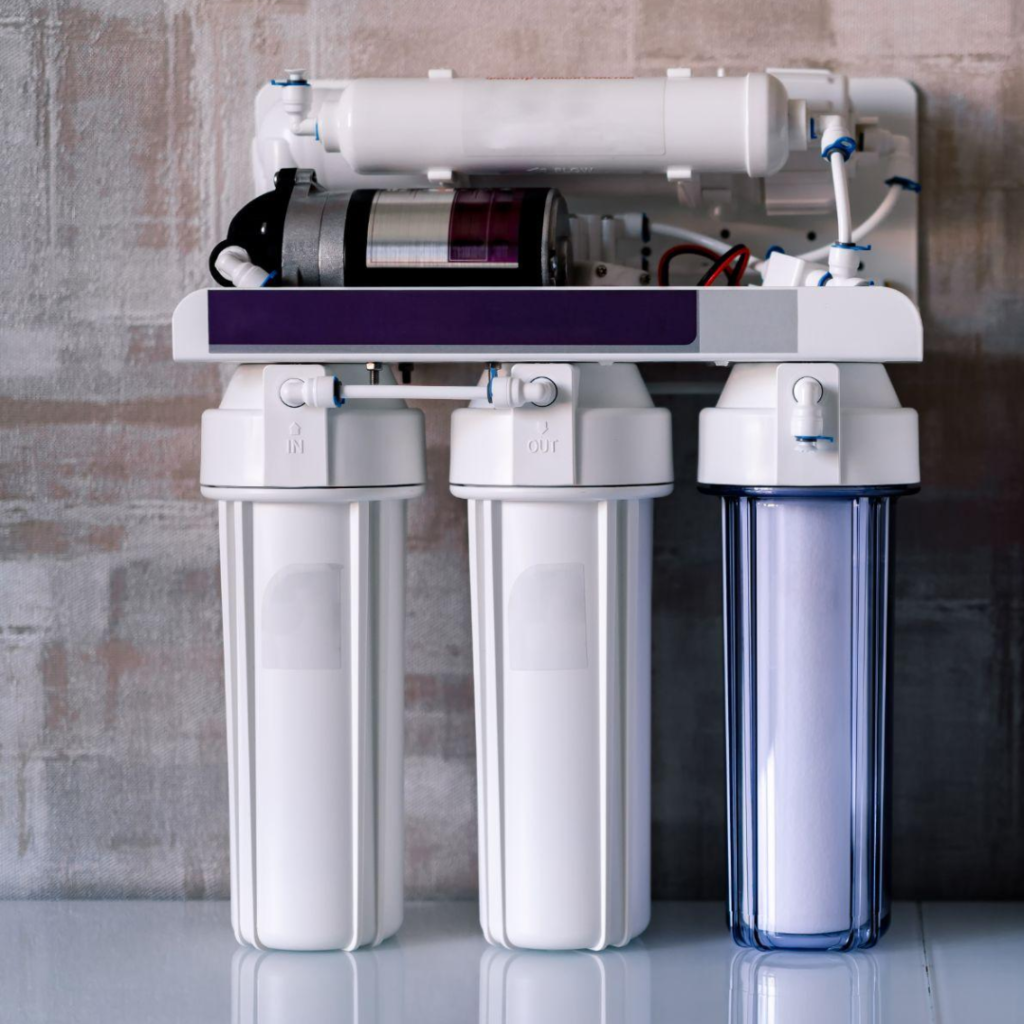
The Most Advanced Filtration Option
How it works:
Reverse osmosis systems push water through a semi-permeable membrane that removes extremely small particles at the molecular level.
What it removes:
- Lead
- PFAS (“forever chemicals”)
- Arsenic
- Nitrates
- Chlorine
- Fluoride (in many systems)
- Dissolved salts and minerals
- Bacteria and some viruses
What it doesn’t do well:
- Producing high volumes of water quickly (slower process)
- Whole-home filtration (typically point-of-use, like under a sink)
Best for:
- Drinking water
- Cooking water
- Homeowners concerned about health-related contaminants
Bottom line:
If your goal is maximum contaminant removal, reverse osmosis is the gold standard.
2. Carbon Filters (Activated Carbon)
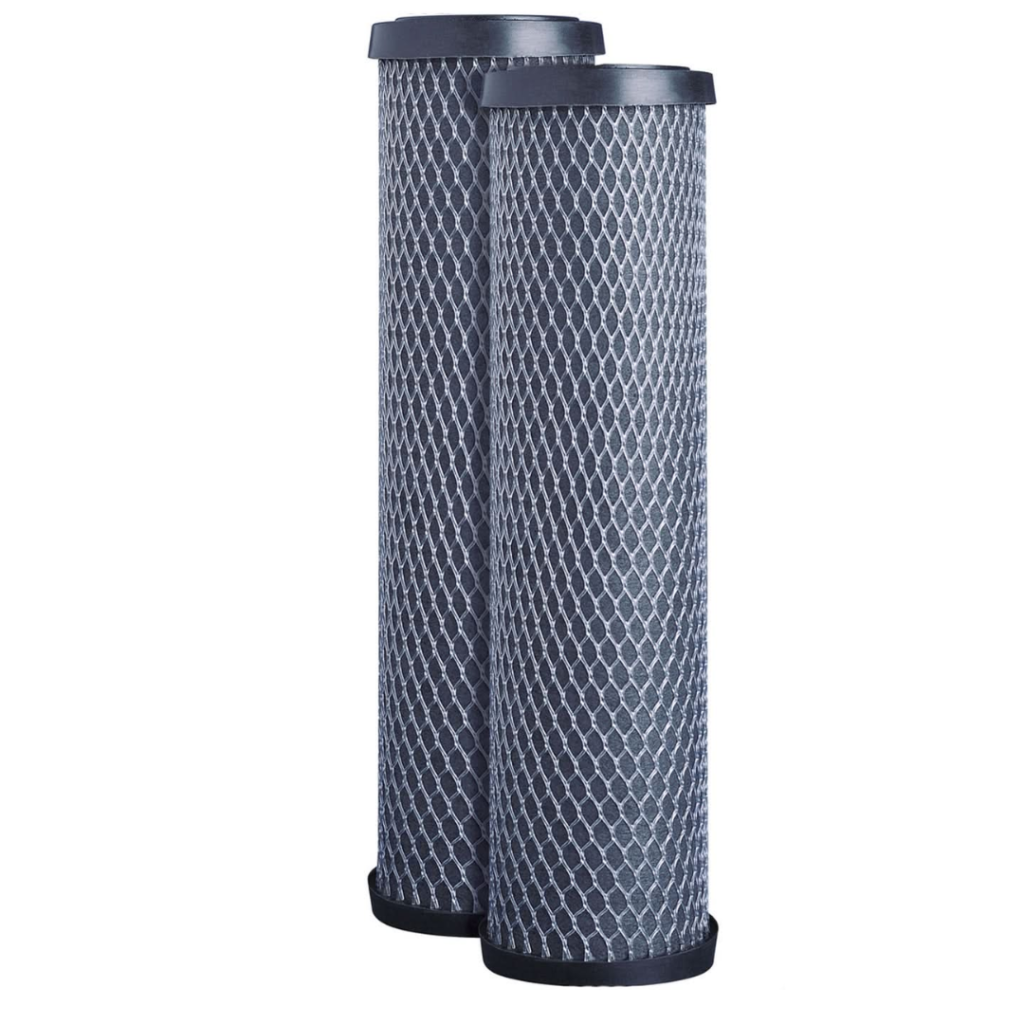
The Go-To for Taste, Odor, and Chemicals
How it works:
Carbon filters use adsorption, meaning contaminants stick to the surface of the carbon material.
What they remove:
- Chlorine
- Chloramine (in higher-end systems)
- Volatile organic compounds (VOCs)
- Some PFAS (depending on quality)
- Bad tastes and odors
What they don’t remove:
- Dissolved minerals (hard water)
- Most heavy metals (without additional filtration stages)
- Bacteria and viruses
Best for:
- Improving taste and smell
- Whole-home filtration systems
- Pre-filtration before RO systems
Bottom line:
Carbon filters are essential for chemical removal and better-tasting water, but they are not a complete solution on their own.
3. Pleated Filters
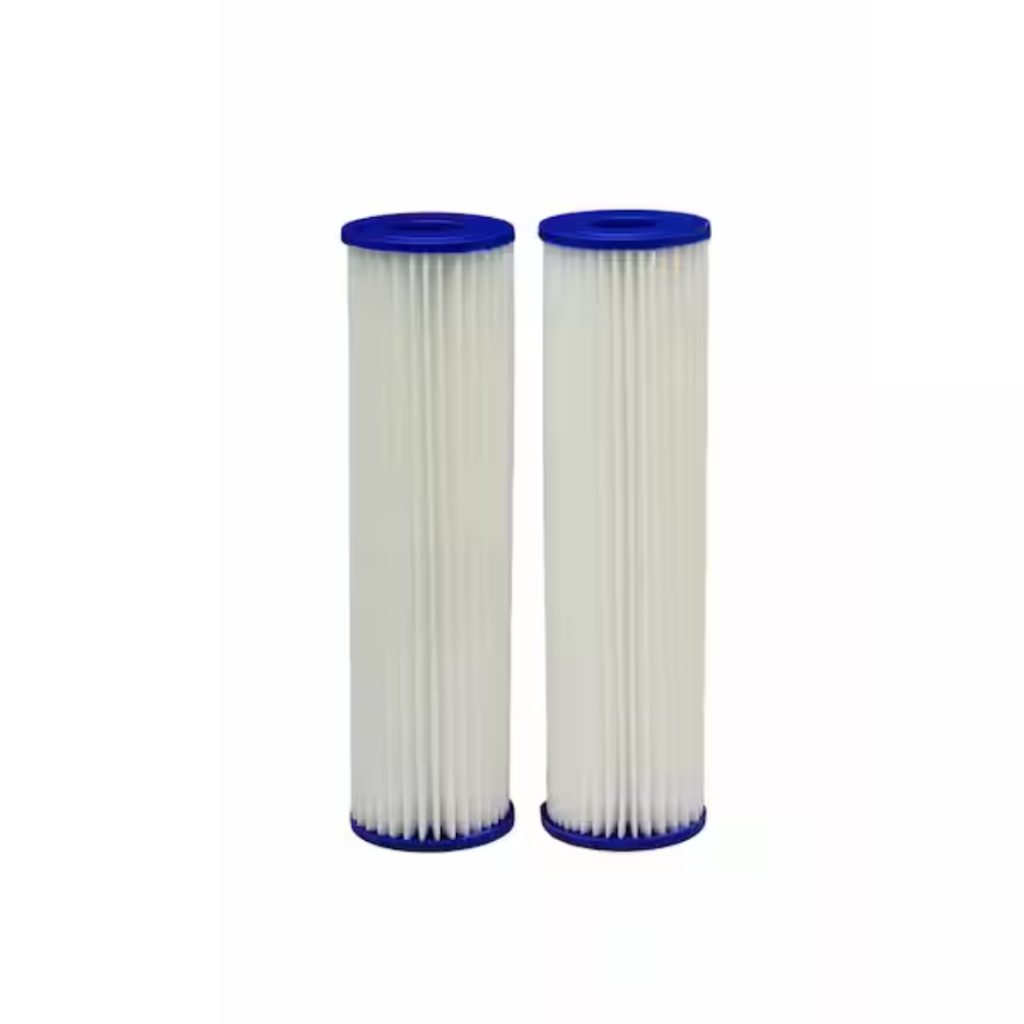
Reusable Sediment Protection
How they work:
Pleated filters are made from folded polyester or fabric material that captures larger particles while allowing good water flow.
What they remove:
- Dirt
- Rust
- Sand
- Sediment
- Debris from aging pipes
What they don’t remove:
- Chlorine
- Chemicals
- Dissolved contaminants
- Bacteria
Best for:
- Pre-filtration in whole-home systems
- Homes with visible sediment or well water
- Protecting plumbing fixtures and appliances
Big advantage:
They are often washable and reusable, making them cost-effective over time.
Bottom line:
Pleated filters protect your plumbing system, but they do not improve water quality chemically.
4. Melt Blown Filters (Sediment Filters)
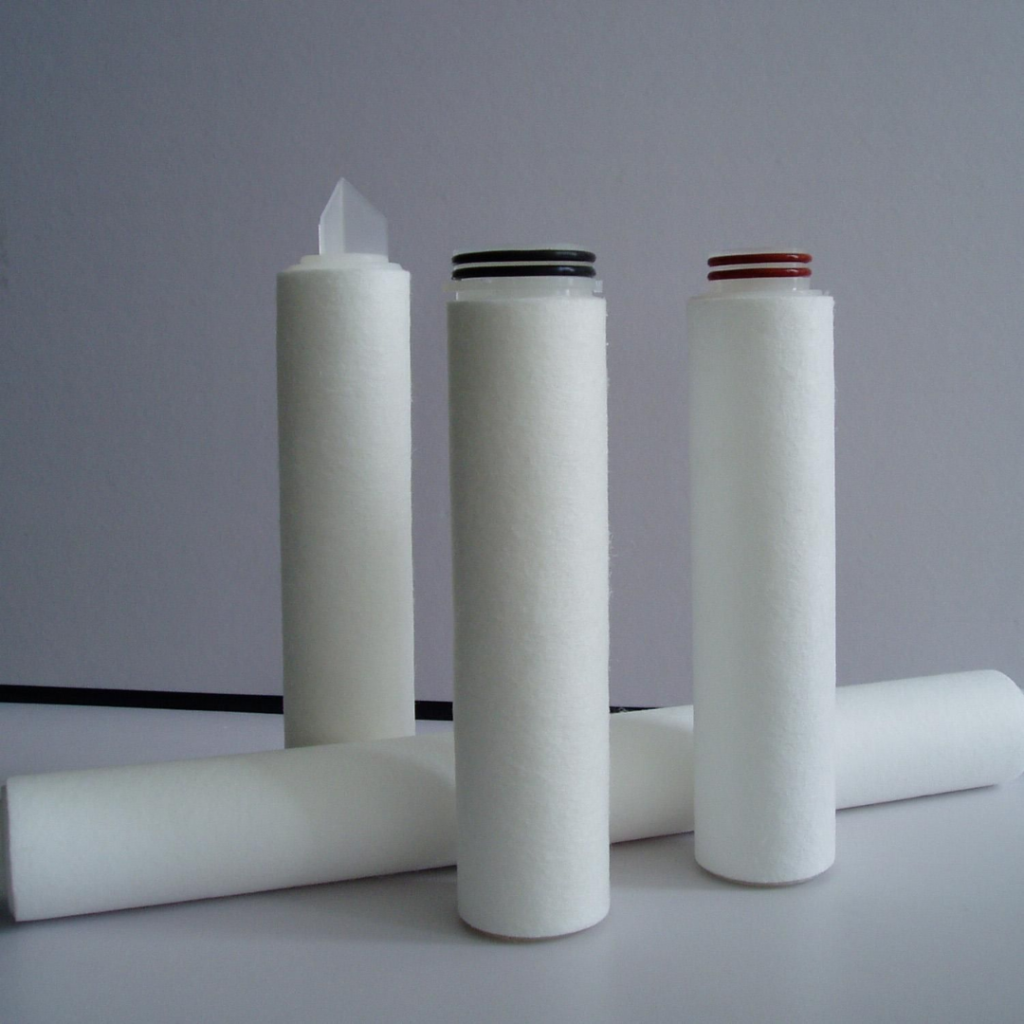
Fine Particle Filtration
How they work:
Melt blown filters are made from layers of polypropylene fibers that trap progressively smaller particles as water flows through.
What they remove:
- Fine sediment
- Silt
- Rust particles
- Debris
What they don’t remove:
- Chlorine
- Chemicals
- Heavy metals
- PFAS
- Bacteria
Best for:
- Homes with fine particulate in water
- Pre-filtration for sensitive systems like reverse osmosis
- Protecting valves, fixtures, and appliances
Key difference from pleated filters:
- Not reusable (must be replaced)
- Better at capturing finer particles
Bottom line:
Melt blown filters provide better fine sediment filtration, but like pleated filters, they do not address chemical contaminants.
Side-by-Side Comparison
| Filter Type | Removes Sediment | Removes Chemicals | Removes Heavy Metals | Removes PFAS | Improves Taste |
|---|---|---|---|---|---|
| Reverse Osmosis | Yes | Yes | Yes | Yes | Yes |
| Carbon | Limited | Yes | Limited | Sometimes | Yes |
| Pleated | Yes | No | No | No | No |
| Melt Blown | Yes (fine) | No | No | No | No |
Why Most Homes Need a Combination
Here’s the key takeaway:
No single filter does everything.
The most effective systems combine multiple stages:
- Sediment filter (pleated or melt blown) to protect the system
- Carbon filter to remove chemicals and improve taste
- Reverse osmosis for drinking water purification
This layered approach ensures:
- Cleaner water
- Better tasting water
- Longer-lasting plumbing and appliances
What About Hard Water?
None of these filters solve hard water issues. If you’re dealing with:
- Scale buildup
- White residue on fixtures
- Reduced appliance lifespan
You’ll need a water softener or conditioning system, not just filtration.
Choosing the Right System for Your Home
Water quality in the Greater Cincinnati and Northern Kentucky area can vary depending on:
- Distance from treatment facilities
- Age of plumbing
- Mineral content from local water sources like the Ohio River
That’s why the best first step is always testing your water, not guessing.
Understanding the difference between reverse osmosis, carbon, pleated, and melt blown filters is the key to making the right decision for your home.
- Want the cleanest drinking water? → Go with reverse osmosis
- Want better taste and odor? → Add a carbon filter
- Want to protect your plumbing? → Use sediment filtration
- Want complete protection? → Combine all three
At True Flow Services, we help homeowners across Northern Kentucky and Greater Cincinnati design custom water filtration systems based on real water conditions—not one-size-fits-all solutions. If you’re unsure what your home needs, the smartest next step is simple: test your water and build the right system from there.