
In Northern Kentucky and Greater Cincinnati, January and February often bring more than just cold. Sudden warm-ups and heavy rains can quickly follow deep freezes, causing snow and ice to melt—and all that water needs somewhere to go. For homes with basements, that usually means right toward your foundation.
If your sump pump isn’t ready, it might not be able to keep up.
Whether you’ve had water in your basement before or not, now is the time to ask: Is your sump pump ready for the next winter thaw? This guide covers how to test your system, signs it may be failing, and why a backup sump pump could save you from costly water damage.
Table of Contents
Why Sump Pumps Matter More in Late Winter
During a cold snap, everything freezes. But when temperatures rise—even for a day or two—frozen ground begins to thaw unevenly. Water from melting snow or ice runs along the path of least resistance: usually the side of your home, where it can seep through cracks or saturate the soil around your foundation.
A working sump pump is your home’s best defense against:
- Basement flooding
- Mold growth from standing water
- Damage to drywall, insulation, or stored belongings
- Foundation cracks from expanding water
If your pump fails when water starts rising, cleanup costs can climb fast—especially if you’re not home to catch the problem.
How to Test Your Sump Pump Before the Thaw
Testing your sump pump takes just a few minutes and can help you avoid a major headache later. Here’s how:
Step 1: Locate the Sump Pit
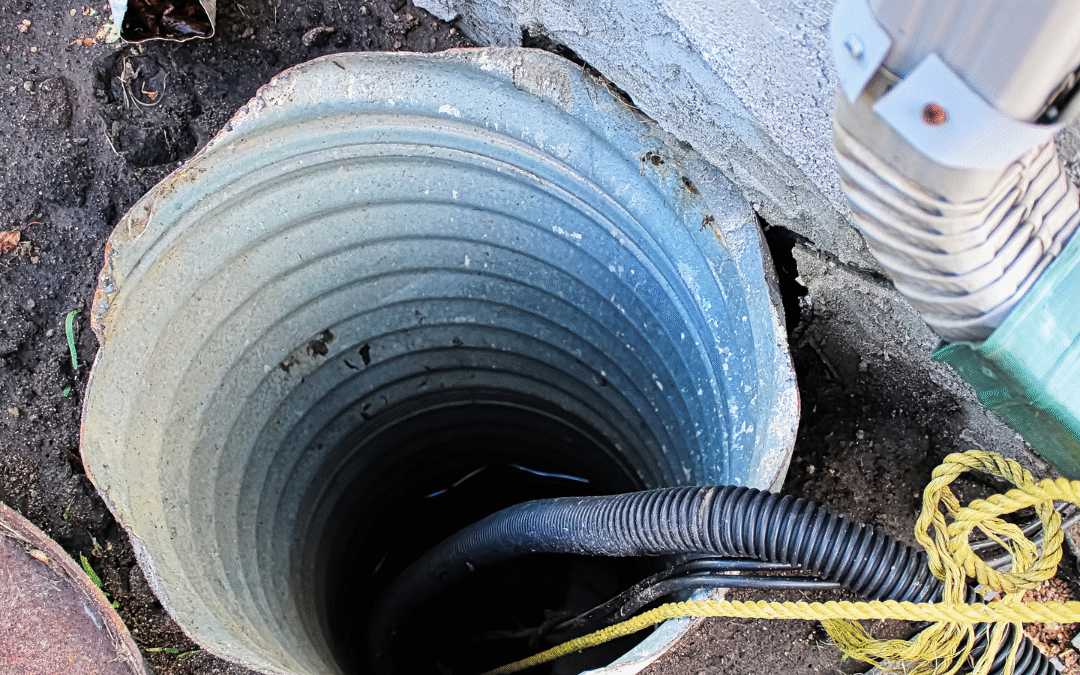
Find your sump pump, usually in the lowest part of your basement or crawlspace. The pump sits in a pit that collects water from drainage tiles or the surrounding soil.
Step 2: Pour Water Into the Pit
Slowly pour a bucket of water into the pit. You should hear the pump activate automatically once the float switch rises with the water level.
Step 3: Watch the Discharge Line
Check that the water is being pumped out and discharged away from your home—at least 10 feet from your foundation. Make sure the line isn’t frozen or blocked.
Step 4: Listen for Unusual Noises
A working pump should hum smoothly. If you hear grinding, rattling, or no sound at all, your unit may be struggling or failing.
Warning Signs Your Sump Pump May Fail Soon
Sump pumps don’t last forever. Most units have a lifespan of 7 to 10 years. If yours is approaching that age—or showing these signs—it may be time to repair or replace it:
- Runs constantly or cycles on and off too frequently
- Struggles to empty the pit during a test
- Makes loud or unusual noises
- Vibrates excessively when running
- You see visible rust, cracks, or corrosion
- You don’t remember the last time it was tested or maintained
If you notice any of these issues, don’t wait. Schedule a sump pump inspection with a licensed plumber in Greater Cincinnati today.
Do I Really Need a Battery Backup Sump Pump?
If your home is in a flood-prone area like Covington, Independence, or anywhere near the Ohio River or Licking River, a backup system isn’t optional—it’s essential.
A battery backup sump pump kicks in automatically when:
- The main pump fails
- The power goes out during a storm
- The primary pump can’t keep up with excess water
Even newer homes can flood if the power cuts out or the main pump jams. A backup gives you peace of mind when you’re away, at work, or during overnight storms.
Bonus Tip: Choose a model with an alarm that notifies you when the main pump fails or the battery is in use.
How to Get Your Sump Pump Ready—The Right Way
To prepare your sump system for winter thaws and spring rains:
- Test your pump monthly from January through April
- Clear debris from the sump pit and discharge line
- Schedule a professional maintenance check if it’s over 5 years old
- Install a battery backup system if you don’t already have one
- Ensure the discharge pipe directs water away from your foundation
Avoid Basement Flooding—Start with a Simple Sump Pump Check
Winter thaws can arrive suddenly—and flood protection is only as good as the pump you rely on. If it’s been more than a year since you last tested your system, don’t wait for water in your basement to find out something’s wrong.
At True Flow Services, we offer:
- Expert sump pump testing and maintenance
- Battery backup sump pump installation
- Emergency service across Northern Kentucky and Greater Cincinnati
- Honest recommendations and flat-rate pricing
Concerned your sump pump won’t hold up this winter? Schedule a sump pump inspection today and protect your home before the next thaw.