Water filtration is extremely important to consider for yourself and your family. If you’ve ever wondered “Is my water safe?” or “Do I really need a filter or softener?”—you’re not alone. For homeowners across Northern Kentucky and Greater Cincinnati, water quality is a real concern. While municipal water is treated and meets safety standards, that doesn’t always mean it’s ideal for your home, your plumbing, or your long-term health.
This guide from True Flow Services breaks down what’s actually in your water, how it affects your home, and what you can do to improve it.
Table of Contents
Why Water Quality Matters Locally
In Northern Kentucky, drinking water is primarily sourced from the Ohio River and Licking River. In Greater Cincinnati, water comes from a combination of the Ohio River and underground aquifers.
Both regions have strong treatment facilities that make water safe to drink—but once that water leaves the treatment plant, a lot can change before it reaches your home.
Aging infrastructure, long travel distances, and older plumbing systems can all impact water quality by the time it comes out of your faucet. That’s why “safe” water isn’t always “perfect” water.
What’s Actually in Your Water?
Even after treatment, trace substances can still be present in your water. Some of the most common in this area include:
Chlorine
Used to disinfect water and kill bacteria. While necessary, it can leave behind a noticeable taste and odor.
Disinfection Byproducts (TTHMs & HAA5)
These form when chlorine reacts with organic matter in water. They’re regulated, but still commonly present in small amounts.
Lead
Typically not from the water supply itself, but from older pipes, fixtures, or solder—especially in homes built before 1986.
PFAS (Per- and Polyfluoroalkyl Substances)
Often called “forever chemicals,” these can persist in the environment and have become a growing concern nationwide.
Trace Metals & Minerals
Including iron, manganese, calcium, and magnesium, which can affect taste, staining, and scaling.
If you want to go deeper into specific risks, check out:
Why “Safe” Doesn’t Always Mean “Clean”
Municipal water systems must meet EPA standards, which regulate over 100 different substances. However, those standards are based on legal safety limits—not necessarily optimal health levels.
That means:
- Some contaminants are allowed in small amounts
- Others may exist below legal limits but still impact taste, odor, or long-term exposure
In short, your water can be legally safe—but still contain things you may want to remove.
Hard Water Explained
Hard water is extremely common in Northern Kentucky and Greater Cincinnati due to naturally occurring minerals in the water supply.
These minerals—primarily calcium and magnesium—can cause:
- Scale buildup inside pipes and appliances
- Reduced efficiency in water heaters
- Soap that doesn’t lather well
- Spots on dishes and fixtures
Over time, hard water can shorten the lifespan of your plumbing system and appliances.
Learn more here:
What Is Hard Water VS Soft Water?
Types of Water Treatment (What Do You Actually Need?)
This is where most homeowners get confused. Not all water treatment systems do the same thing.
Water Filtration
Removes contaminants like chlorine, sediment, and certain chemicals. Best for improving taste, odor, and overall water quality.
Water Softening
Removes hardness minerals like calcium and magnesium. Best for preventing scale buildup and protecting plumbing.
Water Conditioning
Alters the structure of minerals to prevent scale without removing them. A low-maintenance alternative to softening.
Each serves a different purpose, and many homes benefit from a combination of systems.
For a full breakdown:
Water Softener vs Filter vs Conditioner: What’s the Difference?
Types of Filtration Systems
There are several ways to filter your water, depending on your goals:
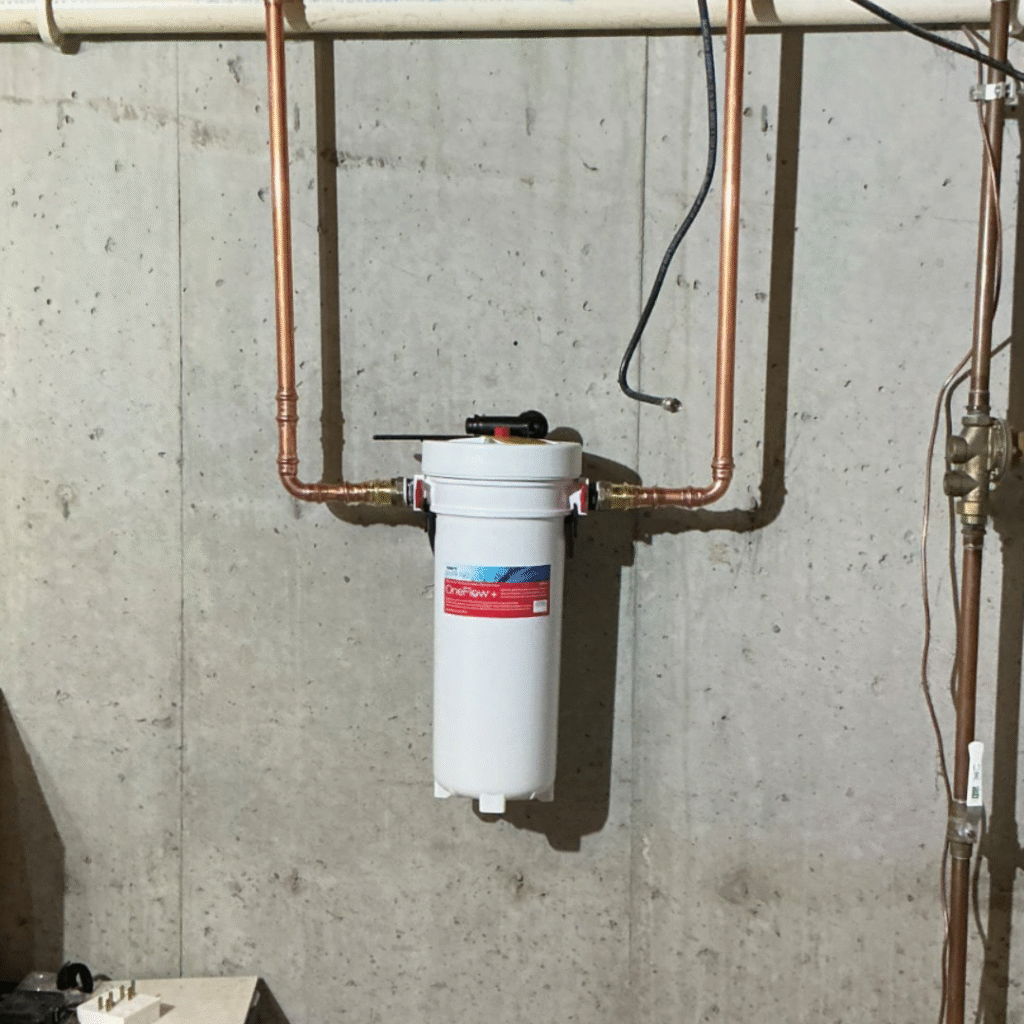
Whole-Home Filtration Systems
Treat all water entering your home. Ideal for full protection of plumbing and appliances.
Reverse Osmosis Systems
Highly effective at removing contaminants, often used for drinking water at a single tap.
Carbon Filters
Great for removing chlorine, taste, and odor issues.
Sediment Filters
Capture dirt, rust, and debris before they enter your plumbing system.
Learn more:
- Benefits Of Installing A Water Filtration System
- How Water Quality Affects Your Plumbing Fixture Performance
Do You Actually Need Water Filtration?
It depends on your home and your water.
You’re more likely to benefit from filtration if:
- You live in an older home with aging pipes
- Your water has a strong taste or odor
- You notice scale buildup on fixtures
- You’ve had recurring plumbing issues
Most homeowners in this region have at least one of these factors, which is why water treatment systems are becoming more common.
Why Local Water Testing Matters
Here’s something most people don’t realize:
Water quality can change after it leaves the treatment plant.
Your home’s plumbing, the distance from the source, and even neighborhood infrastructure all play a role.
That’s why testing your water at the point of use is the best way to understand what’s actually coming out of your faucets.
Learn more:
Should You Test Your Water in Northern Kentucky or Cincinnati?
Trust True Flow Services for Water Filtration Solutions
At True Flow Services, we take a practical, honest approach to water quality. We don’t push unnecessary systems—we diagnose what’s actually in your water and recommend solutions that make sense for your home.
Whether you need:
- Water testing
- A whole-home filtration system
- A water softener or conditioner
- Or a custom combination setup
Our team helps homeowners across Northern Kentucky and Greater Cincinnati protect their plumbing, improve water quality, and invest in long-term solutions that work.
If you’re ready to get answers about your water and explore the right options for your home, True Flow Services is here to help.