If your hot water suddenly runs cold or your shower starts feeling “not quite right,” one of the first thoughts that probably comes to mind is: Is my water heater going out?
And right after that comes the big question: How long do hot water heaters actually last?
The answer depends on a few factors, but most homeowners are surprised to learn that water heaters don’t last forever—and many start showing signs of wear well before they fail completely.
At True Flow Services, we help homeowners across Florence, Northern Kentucky, Greater Cincinnati, and the Tri-State region deal with water heater issues every day. As a local plumbing company built on honest pricing, no upsells, and quality work done right, we’ve seen just about every type of water heater problem you can imagine.
Let’s break it down in a simple, real-world way so you know what to expect—and when it’s time to call a plumber in Northern Kentucky or plumber in Cincinnati before things get worse.
Table of Contents
The Average Lifespan of a Water Heater (And Why It Varies So Much)
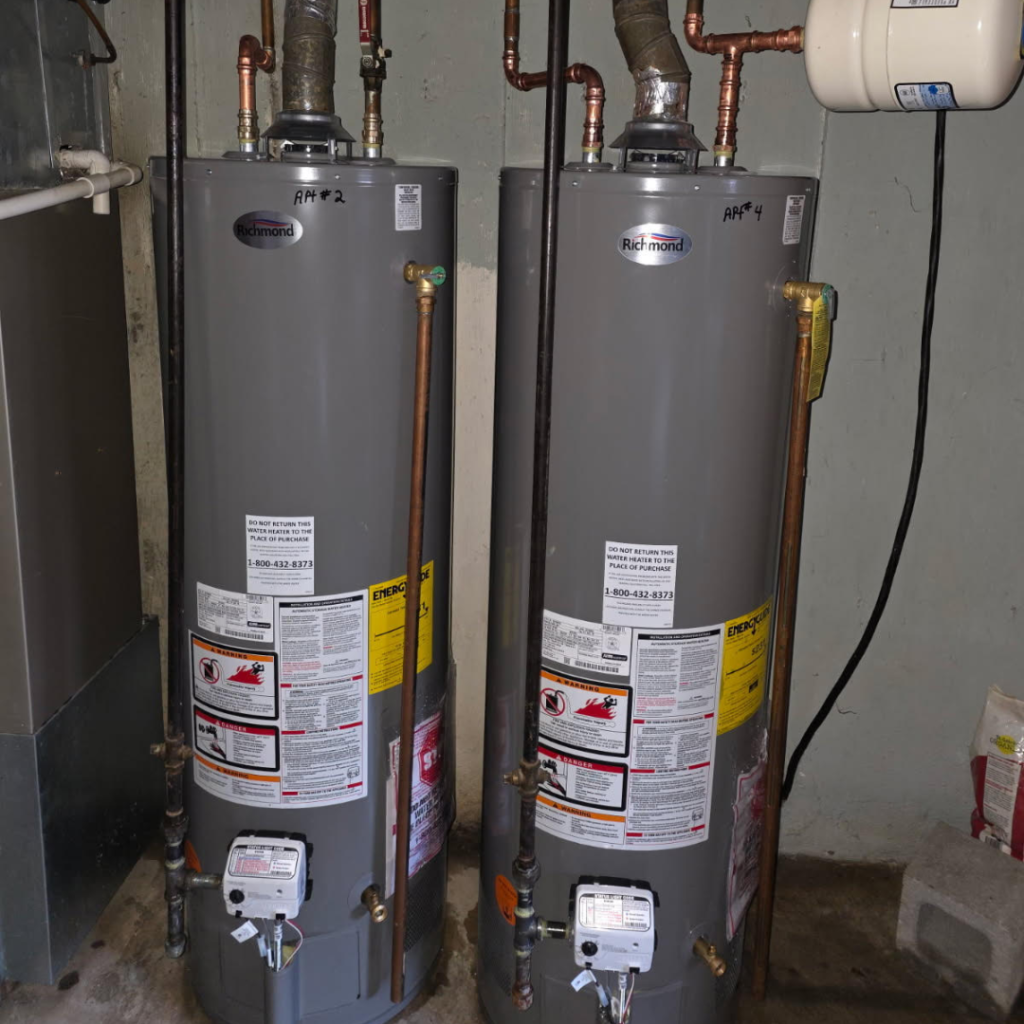
Most traditional tank-style water heaters last about:
- 8 to 12 years on average
- Sometimes as little as 6–8 years with heavy use or poor maintenance
- Up to 12–15 years if well maintained
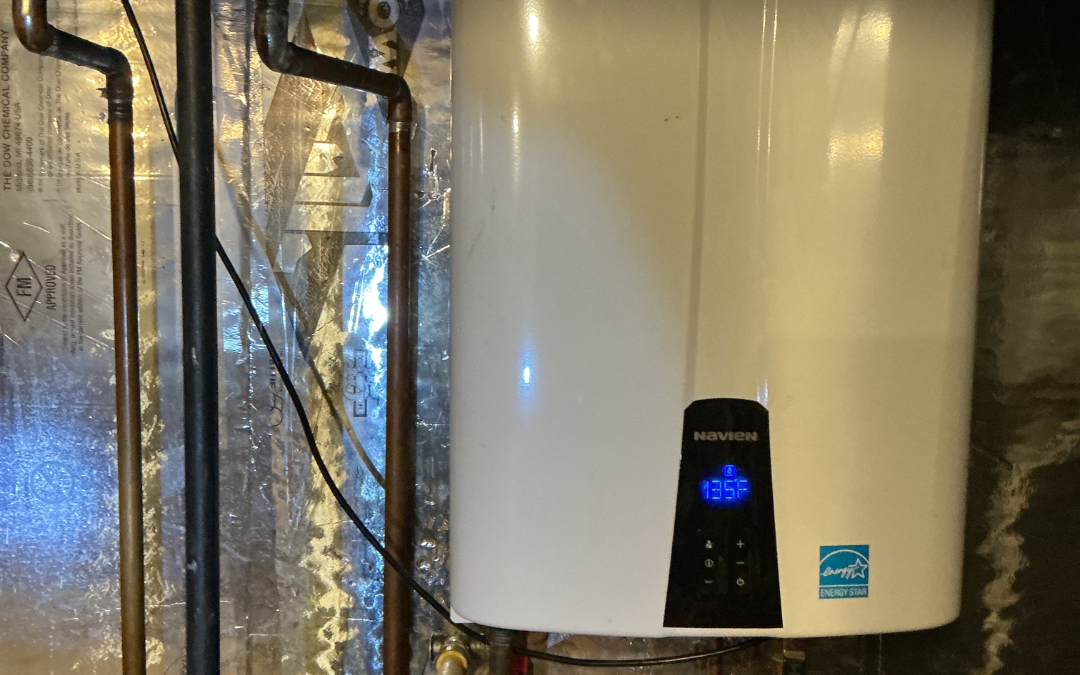
Tankless water heaters, on the other hand, can last:
- 15 to 20+ years
But those numbers don’t tell the whole story.
The real lifespan of your water heater depends heavily on:
- Water quality in your area (hard water is a big factor in Kentucky and Ohio)
- How often it’s flushed and maintained
- How much hot water your household uses daily
- The quality of the original installation
- Whether the anode rod has ever been replaced (a key but often ignored part)
In simple terms: a water heater is like a car. Two homes can install the same unit on the same day, and one might last 5 years longer just based on maintenance habits.
That’s why when homeowners search for plumbing services near me, they’re often surprised to learn that a “failing” water heater might just be poorly maintained—not necessarily broken beyond repair.
Still, once a unit gets into that 8–12 year range, it’s smart to start paying closer attention.
If you’re already noticing performance issues, you can check out:
Learn more about our water heater services
Signs Your Water Heater Is Nearing the End of Its Life
Most water heaters don’t fail instantly—they slowly decline over time. The trick is recognizing the warning signs before you’re stuck with a cold shower or, worse, a basement leak.
Here are the most common signs we see in homes across Northern Kentucky and Cincinnati:
1. Inconsistent or Lukewarm Water
If your hot water doesn’t stay hot as long as it used to, or fluctuates between hot and warm, your system may be struggling to keep up. Sediment buildup inside the tank is often the cause.
2. Rusty or Discolored Water
Rust-colored water can mean corrosion inside the tank or aging pipes connected to the system. This is a strong sign the unit is nearing replacement.
3. Strange Noises (Popping or Rumbling)
Those sounds usually come from sediment hardening at the bottom of the tank. As water heats, it pushes through the buildup, causing noise and reduced efficiency.
4. Water Around the Base of the Heater
Even a small leak is a big warning sign. Once a tank starts leaking, it cannot be repaired safely long-term.
5. Rising Energy Bills
An aging water heater works harder to produce the same amount of hot water, which shows up in your utility bill.
If you’re noticing one or more of these issues, it’s worth having a plumber in Cincinnati or local technician take a look before the problem escalates.
And if you’re dealing with slow drains or plumbing issues at the same time, you may also want to review:
See our drain cleaning services
Repair vs Replace: What Actually Makes Sense?
One of the most common questions homeowners ask is:
“Can I just repair my water heater, or do I need a new one?”
The honest answer: it depends on age, condition, and cost of repair.
Here’s how we typically break it down at True Flow Services:
When Repair Makes Sense:
- The unit is under 8 years old
- The issue is minor (thermostat, heating element, or valve)
- There is no tank corrosion or leaking
- Maintenance has been consistent
When Replacement Is Usually Better:
- The unit is 10+ years old
- There is rust in the water
- The tank is leaking
- Repairs are becoming frequent
- Efficiency has dropped significantly
A key thing many homeowners don’t realize is this:
Once the tank itself fails, there is no real repair option. It must be replaced.
This is why having an honest inspection matters. A trustworthy plumber in Northern Kentucky won’t push you into a replacement you don’t need—but they also won’t ignore clear signs that a system is failing.
At True Flow Services, we focus on giving homeowners clear options:
- Fix it if it’s reasonable
- Replace it if it saves you money long-term
No pressure. No upsells. Just honest recommendations.
Why Water Heaters Fail Faster in Some Homes
Not all water heaters are created equal—and neither are the homes they’re installed in.
We’ve seen brand-new units fail early simply because of environmental or maintenance factors.
Here are some of the biggest reasons water heaters wear out faster in our region:
Hard Water Buildup
Northern Kentucky and Greater Cincinnati have moderately hard water. Over time, minerals like calcium and lime settle at the bottom of the tank, creating sediment that:
- Reduces efficiency
- Causes overheating
- Damages internal components
Lack of Maintenance
Most homeowners don’t realize water heaters should be flushed annually. Skipping this step shortens lifespan significantly.
Overworked Systems
Large families or homes with high hot water demand (laundry, multiple showers, dishwashers) naturally wear units out faster.
Poor Installation
Incorrect installation can cause pressure issues, inefficient heating, and early failure.
Ignored Small Problems
A small leak or failing valve today can turn into a full system failure months later.
This is why routine plumbing maintenance is so important—and why homeowners often turn to a trusted plumbing services near me provider instead of waiting for something to break.
If you want to prevent issues before they start, check out:
Read our guide on water filtration
What Happens If You Wait Too Long to Replace a Water Heater?
It’s tempting to “get a little more life” out of a struggling water heater. We see it all the time.
But waiting too long can lead to bigger problems:
1. Sudden Failure
Water heaters rarely fail politely. When they go, it’s often fast—and messy.
2. Water Damage
A leaking tank can release 30–80 gallons of water into your home quickly, often damaging floors, drywall, and belongings.
3. Higher Energy Costs
An inefficient system works harder and costs more to operate every month.
4. Emergency Replacement Costs
Emergency calls tend to be more stressful and sometimes more expensive due to urgency.
5. No Hot Water at the Worst Time
Most failures happen when the system is under stress—like cold winter mornings or busy weekends.
The reality is simple: replacing a water heater before it fails is almost always easier, cheaper, and less stressful than waiting for an emergency.
That’s where working with an experienced local team matters. True Flow Services helps homeowners plan replacements instead of reacting to disasters.
How True Flow Services Helps Homeowners Make the Right Decision
At True Flow Services, we’re not here to push replacements or overcomplicate things.
We’re here to help homeowners understand what’s actually going on with their plumbing so they can make the best decision for their home.
Founded in 2025 by Kelley Shouse, a licensed plumber with over 20 years of experience, we’ve built our company around one simple idea:
Do the job right, be honest, and treat people’s homes with respect.
Here’s what you can expect when you call us:
- Clear inspection of your water heater
- Honest explanation of repair vs replacement options
- Upfront pricing with no surprise upsells
- High-quality work that prioritizes long-term reliability
- Friendly, local plumbers who actually care about your home
We’ve earned the trust of homeowners across Northern Kentucky and Cincinnati with:
- 50+ 5-star Google reviews
- 1,000+ 5-star reviews on Thumbtack
And that reputation comes from consistency—not shortcuts.
Whether you need a quick repair or a full replacement, we make the process simple.
You can also explore more helpful topics like:
See our drain cleaning services
Or follow along for tips and real job insights:
Follow us on Facebook
Watch more on YouTube
FAQs About Water Heater Lifespan
How long does a typical hot water heater last?
Most tank water heaters last 8–12 years, while tankless systems can last 15–20 years with proper maintenance.
What is the most common reason water heaters fail?
Sediment buildup, corrosion, and lack of maintenance are the most common causes of failure.
Can a water heater last 20 years?
Yes, but it’s rare for tank-style units. Tankless systems are more likely to reach that lifespan with proper care.
Is it worth repairing an old water heater?
If it’s over 10 years old and showing issues, replacement is often more cost-effective than repeated repairs.
How do I know if my water heater needs to be replaced soon?
Look for rust, leaks, inconsistent hot water, or rising energy bills—these are strong warning signs.
Need Help With Your Water Heater? We’re Here When You Need Us
If your water heater is acting up—or you’re just not sure how much life it has left—it’s always better to get it checked early.
True Flow Services proudly helps homeowners across Florence, Northern Kentucky, Greater Cincinnati, and the Tri-State region stay ahead of plumbing problems before they turn into emergencies.
Whether it’s repair, replacement, or just peace of mind, we’re here to give you honest answers and reliable service—without pressure or upsells.
If something doesn’t feel right with your hot water, we’re just a call away.