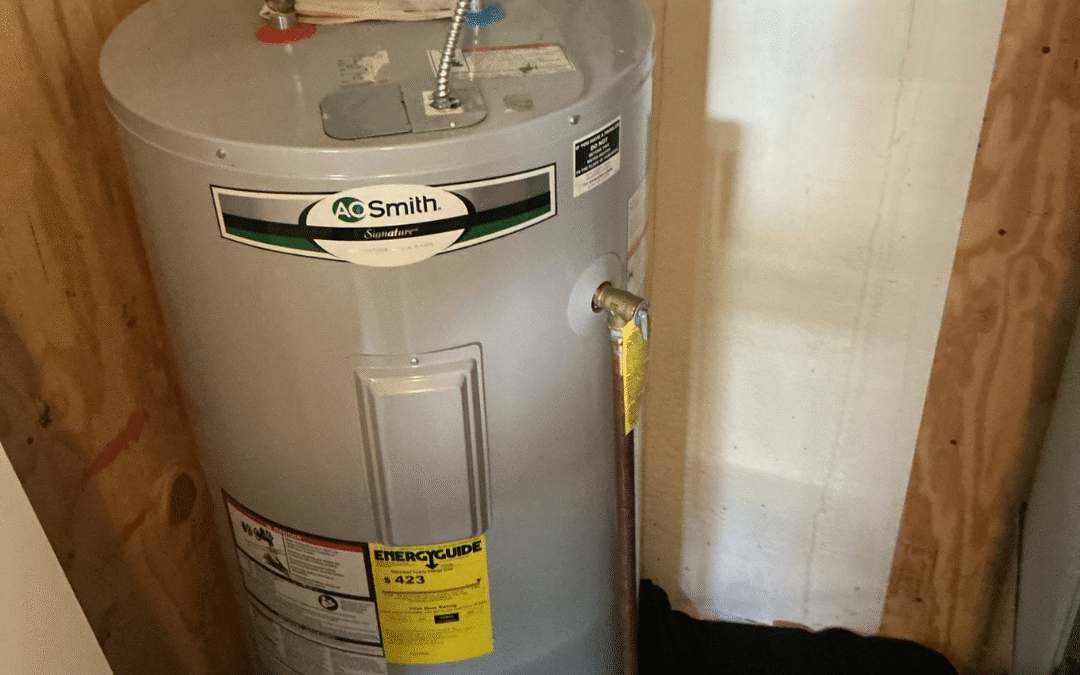
There’s nothing quite like stepping into a freezing shower on a winter morning to remind you how much you rely on your water heater. If your hot water runs out faster in the colder months or your heater seems to work overtime without keeping up, you’re not alone. Winter in Greater Cincinnati and Northern Kentucky pushes water heaters to their limits—and sometimes beyond.
Understanding why this happens (and what you can do about it) can help you avoid cold showers and unexpected breakdowns.
Table of Contents
Why Does Cold Weather Affect My Water Heater?
Your water heater works harder in winter for a few key reasons:
- Incoming water is colder. The colder the ground, the colder the water entering your system—which means your heater has to work longer to raise it to temperature.
- Higher household demand. In winter, families use more hot water for showers, laundry, and dishes.
- Older units lose efficiency. Cold weather exposes weaknesses in aging or under-maintained systems, especially in tanks with sediment buildup.
If your water heater is already near the end of its lifespan or hasn’t had routine maintenance, winter may push it to the edge.
Common Winter Water Heater Problems
Homeowners across the Tri-State area often report these issues during the colder months:
- Water not getting hot enough
- Hot water runs out too quickly
- Noisy or rumbling tank
- Leaks around the base
- Longer recovery time between uses
Any of these signs can indicate that your system needs attention—or may be approaching failure.
Tips to Improve Water Heater Performance in Winter
If your water heater is underperforming, here are a few things you can try:
- Lower water usage during peak times. Try to stagger showers and laundry loads.
- Flush the tank. Sediment buildup at the bottom of the tank makes it harder to heat water efficiently.
- Insulate your water heater and pipes. A simple insulating blanket and foam pipe sleeves can help retain heat.
- Raise the thermostat slightly. A safe range is 120°F–125°F—but never exceed 130°F to avoid scalding.
- Schedule a maintenance check. A licensed plumber can flush the system, test components, and catch small issues before they become costly problems.
When to Consider Replacing Your Water Heater
Sometimes, repairs aren’t enough. If your unit is over 10 years old, shows signs of rust, or fails to provide consistent hot water even after maintenance, it may be time to upgrade.
Many homeowners in Greater Cincinnati are choosing tankless water heaters for better efficiency and endless hot water. Tankless systems heat water on demand, saving energy and space—especially helpful during high-use winter months.
At True Flow Services, we provide expert installation of both tank and tankless systems, and we’ll help you decide what works best for your home, family size, and budget.
Trust the Local Plumbing Experts This Winter
Your water heater doesn’t care what season it is—but cold temperatures make problems harder to ignore. If your system isn’t keeping up, don’t wait until it fails completely.
Need help fast? Trust True Flow Services for water heater repair and tankless installs near you. We proudly serve homeowners across Northern Kentucky and Greater Cincinnati with honest advice, reliable service, and upfront pricing.